

Where Is Hot in Europe All Year Round?
Compare year-round sunshine destinations, real monthly temperatures, the best resorts and when warm weather actually means beach weather.
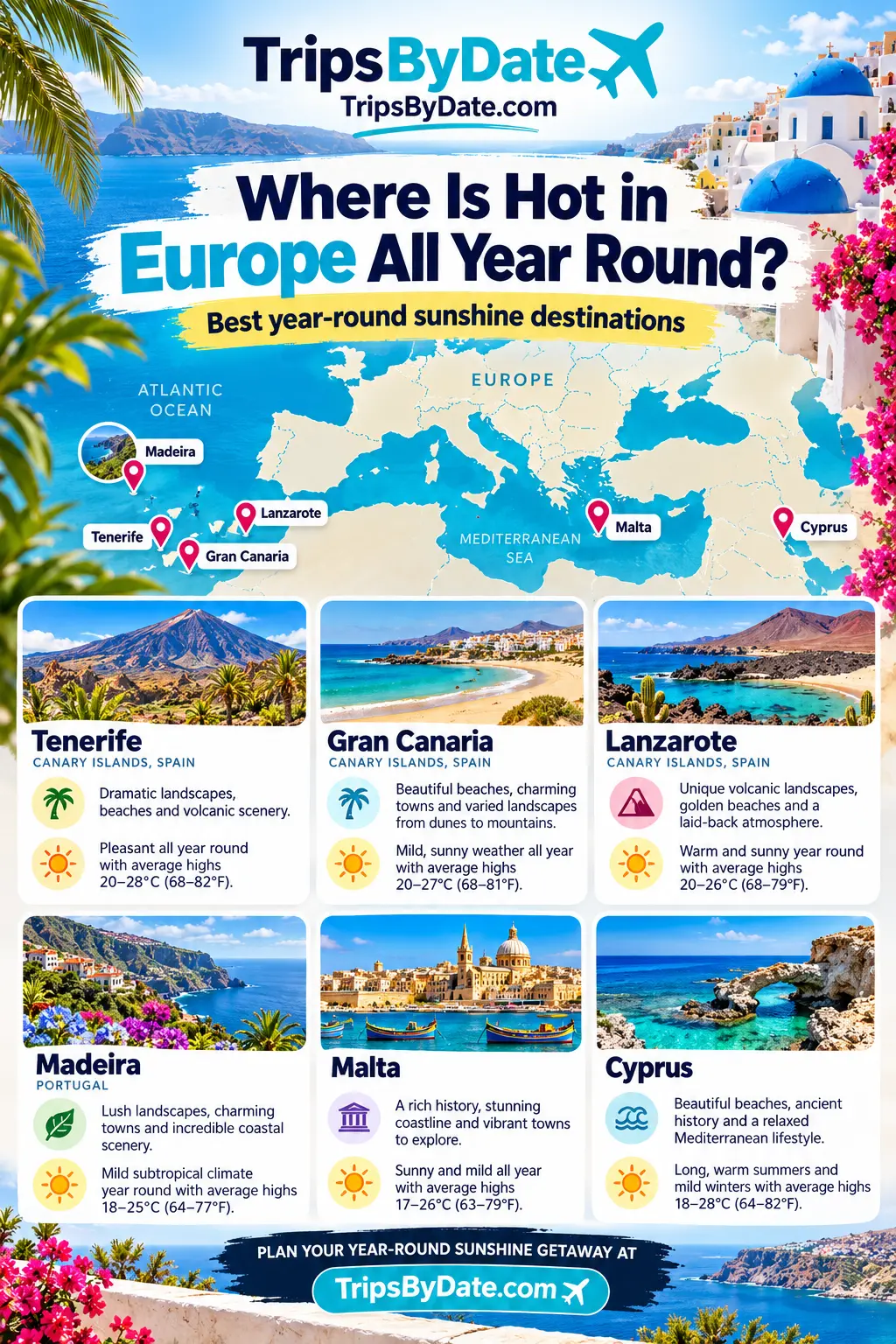
If you want somewhere warm at any time of year, Europe gives you more choice than you might think. But there is an important catch: a destination that feels deliciously hot in August can be cool enough for a jacket in January. The best year-round holiday is not necessarily the hottest place on a map. It is the place whose weather, beaches, activities and resort facilities suit the dates you can actually travel.
Quick answer: for dependable mild-to-warm weather throughout the calendar year, start with the Canary Islands, especially sheltered southern resorts in Tenerife and Gran Canaria. Lanzarote offers a similar climate with striking volcanic scenery. Madeira is excellent for year-round walking and nature. Malta and Cyprus offer sunshine across the seasons, but neither is reliably hot in winter. If you need real summer heat, Cyprus becomes a very different proposition from January.
A geographic note: Tenerife, Gran Canaria and Lanzarote are Atlantic islands geographically close to Africa but part of Spain; Madeira is Portuguese and also lies in the Atlantic. This article uses the familiar UK travel-market meaning of holidays in European countries, not a claim that these are the warmest points on the continental European landmass.
Is anywhere in Europe genuinely hot all year round?
No, not in the sense of consistently hot beach weather every month. The Canary Islands have an unusually gentle seasonal range for European-country holiday destinations, but their winters are more accurately described as pleasantly mild or warm in sheltered sunshine. Rain, wind and cooler evenings still happen. By contrast, Cyprus has hot summers and quite distinct winters.
It helps to separate three different questions. Warm enough to sit outside? A sunny 21°C winter afternoon may be excellent. Warm enough for sea swimming? Water temperature and surf matter at least as much as air temperature. Hot enough for a classic summer pool-and-beach holiday? That is a higher bar, and the answer changes substantially with the month.
What the official climate figures tell us
Instead of quoting broad temperature ranges from promotional graphics, we checked historical average daily maximum temperatures against named meteorological stations. These are averages over many years, not forecasts for a particular week. The stations also represent different locations and some use different climate-normal periods.
- Tenerife South Airport: 21.7°C in January, 23.9°C in May, 28.4°C in August and 22.8°C in December, from Spain's AEMET 1981–2010 normals.
- Gran Canaria Airport: 20.8°C in January, 23.6°C in May, 27.5°C in August and 22.2°C in December, using AEMET's comparable normal period.
- Lanzarote Airport: 20.7°C in January, 24.6°C in May, 29.1°C in August and 21.8°C in December, also from AEMET.
- Funchal, Madeira: 20.0°C in January, 22.0°C in May, 26.8°C in August and 21.0°C in December, from Portugal's IPMA 1991–2020 normals.
- Cyprus: official Cyprus tourism material describes long, dry, hot summers and mild but wetter winters; its published island-wide averages are not directly interchangeable with individual Canary Islands airport stations.
Check the original numbers: Tenerife South, Gran Canaria and Lanzarote at AEMET; Funchal at IPMA; and Cyprus's official climate guide. Malta is a year-round visitor destination but not an equally warm winter-weather rival to the Canaries; this guide does not invent a like-for-like station number for it.
Something most round-ups miss: the warmest island on paper is not necessarily the warmest resort experience. A cloudier northern coastline, an exposed seafront and a sheltered south-facing hotel terrace may feel very different on the same day. Research the resort, not just the country.
Explore holidays departing on your dates
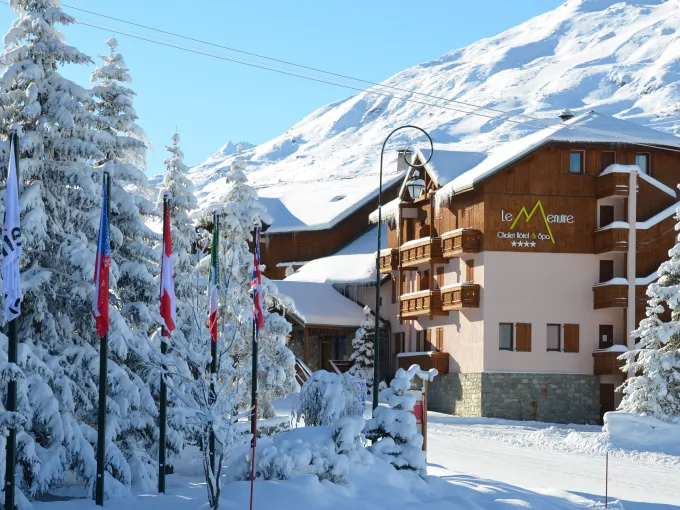
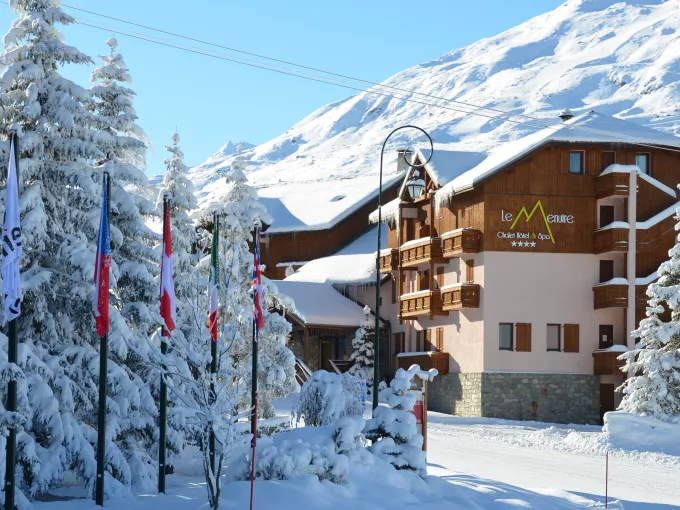
TripsByDate shows advertised package holidays across its wider inventory. The changing options below are not necessarily Christmas-week departures or packages to these five destinations. Use them as starting points, then compare your own dates and check the final price, availability and festive arrangements with the provider.


 LGW • 7 nights
 RO · Broadway Travel

 MAN • 7 nightsHB · Neilson
 MAN • 7 nightsHB · Neilson
 GLA • 7 nightsHB · Skiline
1. Tenerife: the most flexible all-round choice
Tenerife is one of the strongest answers for someone who wants a destination they could realistically visit in January, April, August or November. The south has substantial year-round resort infrastructure, accessible seafronts, restaurants and accommodation at different price points. It can be a lazy beach break or an active island holiday with very little wasted travel time.
Where to stay: Costa Adeje works for hotels, beaches and promenade walks; Los Cristianos offers a compact, walkable setting; Playa de las Américas is better if you want a livelier environment. For winter, a sheltered pool and a good position for afternoon sun matter more than a glamorous photo of a windswept beach.
Best times by travel style: winter is for resort relaxation, outdoor dining and excursions; late spring and autumn are excellent for combining coast and sightseeing; summer is warmer for pools and beaches. Tenerife is more than the southern resorts, though: its northern landscapes and Mount Teide offer a radically different experience.
Watch out: higher ground can be cold even when the beaches are pleasant. If visiting Teide, take layers and check mountain access and conditions. The north and south also have different weather patterns, so do not rely on an island-wide weather icon. See Warmest Places in Europe in January for the winter comparison.
2. Gran Canaria: beaches, dunes and a choice of microclimates
Gran Canaria combines southern beach resorts with a surprisingly varied interior. The island is particularly useful for families and travellers who want a hotel-based winter break but also enjoy occasional days exploring. The southern coastline offers popular resort areas; inland mountain villages bring a different pace and different weather.
Where to stay: Maspalomas and Meloneras are practical choices for dunes, promenades and resort hotels. Puerto Rico and Amadores offer a different sheltered-bay experience. Accommodation location matters: some hillside hotels have striking views but also steps, slopes or reliance on transport.
Best time: late autumn through spring is attractive if you prefer milder conditions; summer suits travellers who want more pronounced heat without choosing the hottest Mediterranean locations. The AEMET airport figure is useful for comparisons but does not perfectly describe a sunny southern beach.
Extra tip: compare walking access to the beach, pool heating, shade and room location before paying extra for a slightly warmer forecast. For families with pushchairs or less mobile travellers, topography can matter more than a temperature difference.
3. Lanzarote: gentle winters, volcanic scenery and big skies
Lanzarote offers a similar year-round appeal but a different visual character. Its volcanic landscapes, distinctive architecture and wide coastlines mean a holiday need not depend on seven uninterrupted sunny beach days. It is a smart choice for travellers who like a beach base with some exploration built in.
Where to stay: Playa Blanca suits many people who prefer a quieter southern resort; Puerto del Carmen offers a large choice of restaurants and accommodation; Costa Teguise is useful for certain family and watersports holidays, though exposure to wind is worth checking carefully.
When it works best: autumn and spring are particularly appealing for sightseeing and outdoor activity. Summer gives you warmer conditions, while winter can still be pleasantly mild. But windy days may make a 21°C forecast feel cool if you are sitting still in swimwear.
Useful difference: a sheltered sun terrace and a heated pool can transform a winter stay. Before booking, ask which pool is heated, during which months and whether there are additional charges. For things to see beyond the resort, consult official Lanzarote tourism.

4. Madeira: better for active holidays than guaranteed beach heat
Madeira belongs in any year-round sunshine comparison because its coastal climate remains relatively gentle, even in winter. It is particularly appealing for dramatic cliffs, gardens, levada walks, villages and food. But it should not be sold as a straightforward substitute for a sandy-beach resort. Its appeal is different, and that is exactly why it can be the better holiday for some travellers.
Where to stay: Funchal is convenient for restaurants and excursions; nearby Lido areas appeal to visitors wanting hotel facilities and easier access to bathing complexes. Other parts of the island can feel more remote and will change the amount of driving and walking required.
When to go: spring is wonderful for landscapes, summer for warmer outdoor evenings and the coast, and winter for a gentler climate than the UK. Mountains can experience cloud, rain, strong wind and lower temperatures even if Funchal looks sunny. Do not assume your hiking route will share your hotel's forecast.
Important practical update: Madeira's official classified walking trails require online reservations, and closures or restrictions can change. Check Visit Madeira's hiking information and trail status before planning an itinerary. Read our Portugal seasonal guide for advice on combining Madeira with mainland options.
5. Malta: a year-round city-and-coast break, not year-round beach heat
Malta is a great example of why the headline question needs care. It is a destination you can visit in every month, and its historic streets, harbours, food and short distances are attractive outside summer. But January or February should be planned around culture and exploring rather than the expectation of warm swimming conditions.
Where to stay: Valletta and nearby harbour districts make sense for culture and transport connections. Sliema is convenient for waterfront walks and restaurants. Some families may prefer resort-style hotels elsewhere, but check which outdoor facilities actually operate during winter.
Best months: spring and autumn are often particularly pleasant for sightseeing; summer offers a more conventional Mediterranean sun-and-sea holiday, with higher heat and demand. In winter, leave room for a windy or rainy day and plan museums and indoor attractions as part of the holiday, not as emergency backups.
A valuable planning trick: if you only have three or four nights, choose one convenient base and take day trips rather than repeatedly changing hotels. See Visit Malta for attractions and travel information, and compare our European city-break timing guide.
6. Cyprus: superb warm-season beaches, but a true winter season
Cyprus gives travellers some of the longest warm-weather beach opportunities in the Mediterranean. Its summer season extends well into autumn, but it has a real winter too. The official Cyprus tourism authority describes long, dry summers and mild winters with rain, with snow possible in the Troodos Mountains. That is not the same climate as the Canary Islands.
Where to stay: Paphos works well for culture and coast together; the Protaras and Ayia Napa area appeals to summer beach travellers; Limassol gives access to restaurants, city amenities and travel around the island. The best choice depends heavily on the month and how much resort activity you expect.
Swimming insight: Cyprus tourism notes sea temperatures are generally above 22°C from June into November, but winter seawater can fall to roughly 16–17°C. That makes a September or October swimming holiday a very different experience from January, even if both weeks include sunshine. Consult the official climate and weather guide.
Winter advantage: quieter archaeological sites, nature walks and city visits can be enjoyable if you pack appropriately. But check whether beach clubs, family attractions and outdoor pools operate in the off-season before committing to a resort. For wider comparisons see Best Months for a Beach Holiday in Europe.
Best destinations by season: a practical shortlist
- December to February: southern Tenerife, Gran Canaria and Lanzarote are the best starting points from this shortlist for mild winter resort weather. Madeira is excellent for scenery. Malta and Cyprus suit sightseeing rather than a hot beach promise.
- March to May: consider the Canaries and Madeira for active breaks; Malta and Cyprus become more appealing for comfortable outdoor exploring. Late spring starts to change the beach equation, but early-season seawater can remain cool.
- June to August: all six offer useful summer travel options. Cyprus can become intensely hot, while Madeira can offer a gentler alternative. This is the season to prioritise shade, pool access and air conditioning as well as sunshine.
- September and October: excellent months to investigate for a balance of pleasant outdoor conditions and, in places like Cyprus, retained sea warmth. Prices and crowds depend on exact dates, local events and UK school breaks.
- November: the Canaries become especially compelling again, while Madeira, Malta and Cyprus are often better judged by what you want to do rather than by the prospect of all-day sunbathing.
For month-specific decisions, compare January, February, October and December. Those guides distinguish actual climate evidence from attractive beach photographs.
What the infographics don't tell you: six booking decisions that matter
- Check the exact resort forecast and exposure. Sunny on the southern coast does not mean clear in the mountains, or sheltered at an exposed seafront hotel.
- Look at sea temperatures separately. Warm afternoons do not guarantee pleasant swimming. For winter trips, pool heating and hotel facilities may decide the holiday.
- Check winter openings. Some restaurants, excursions, kids' clubs and outdoor pools are seasonal, even in destinations marketed year round.
- Compare the true door-to-door journey. Departure time, airport transfer, luggage and arrival hour can make a cheap four-night trip feel more expensive in lost holiday time.
- Think about who is travelling. Families with young children may value a heated pool and short transfer; walkers need trail access and backup plans; couples may prefer culture and restaurants over a busy beach strip.
- Compare actual travel dates, not vague seasonal promises. Half-term, Christmas and local festivals can change pricing dramatically. Use our value-by-month guide for a better method.
One often-overlooked point: altitude can invalidate the weather shown for the nearest coastal airport. This matters particularly in Tenerife and Madeira, where day trips can take you from resort warmth to cold mountain conditions. Take layers even for a sunny-weather holiday.
Know when you can travel?
Search by departure date and airport to compare real holiday options, whether you want winter warmth, spring scenery or a summer beach break.
Find holidays by dateFrequently asked questions
Which part of Europe is warm all year round?
The Canary Islands are among the most useful holiday options associated with European countries for mild-to-warm weather in every month. Southern Tenerife and Gran Canaria are practical winter starting points. They are not guaranteed to be hot in January, and they are geographically in the Atlantic off northwest Africa.
Is Tenerife hot in winter?
It can feel warm in sheltered sunshine, but “hot” is subjective. AEMET records a historical average January daily maximum of 21.7°C at Tenerife South Airport. Cooler evenings, wind and rain remain possible.
Is Madeira warmer than the Canary Islands?
Not generally in the winter figures compared here. IPMA reports a January average maximum of 20.0°C for Funchal; the cited AEMET value for Tenerife South is 21.7°C. Madeira stands out for scenery and hiking rather than consistently beating the Canaries for beach warmth.
Can I swim in the sea in Europe in winter?
Some people swim all year, but comfortable sea swimming is not guaranteed at any destination in this list. Cyprus's official tourism guidance notes much cooler sea temperatures in winter than summer. Check water temperature, wind, waves and local safety advice, and book a suitable heated pool if swimming is a priority.
Is Cyprus warm all year round?
Cyprus has mild winters compared with the UK and hot summers, but it is not continuously hot. Winter is better suited to culture, nature and sightseeing; late spring to autumn is stronger for classic beach holidays.
Is Malta good for winter sun?
Malta can be a very good winter city-and-coast break, especially for history, restaurants and sightseeing. It should not be sold as a dependable hot beach or warm-sea destination in January and February.
Which is the best year-round sunshine destination for families?
A well-located southern Canary Islands resort is a sensible starting point because of its hotel infrastructure and broad seasonal appeal. Check family rooms, heated pools, travel times, children's facilities and swimming safety rather than choosing by temperature alone. See Best Months for a Family Holiday.
When should I book for the best price?
No one booking month guarantees the lowest prices. School holidays, flight availability, departure airport and hotel choice all matter. Compare multiple dates and like-for-like total prices; see Cheapest Months to Go on Holiday.
Explore more holidays by month
Best Months for Winter Sun · Best Months for a Beach Holiday in Europe · Best Months to Visit Spain · Best Months to Visit Portugal
‹ BACK TO HOLIDAYS BY MONTHKnow when you can travel?
Choose your departure airport and browse upcoming package holidays by date. Less searching. More choosing.
Explore holiday dates