

Best Winter Sun Islands to Visit
Volcanic vineyards, secret mountain villages, desert dunes and tropical spice markets: the best islands have much more than a beach towel waiting for you.
There is something deliciously satisfying about escaping a British winter to an island. Perhaps it is the sea on every side. Perhaps it is the sense that the office, the washing pile and the person who says “at least it is not raining” have all been left safely on another landmass. But the best winter sun islands are not interchangeable little blobs of sunshine. One has vineyards growing in volcanic craters. Another offers ancient cave settlements. Another has desert dunes and Atlantic wind that could rearrange your hairstyle before lunch.
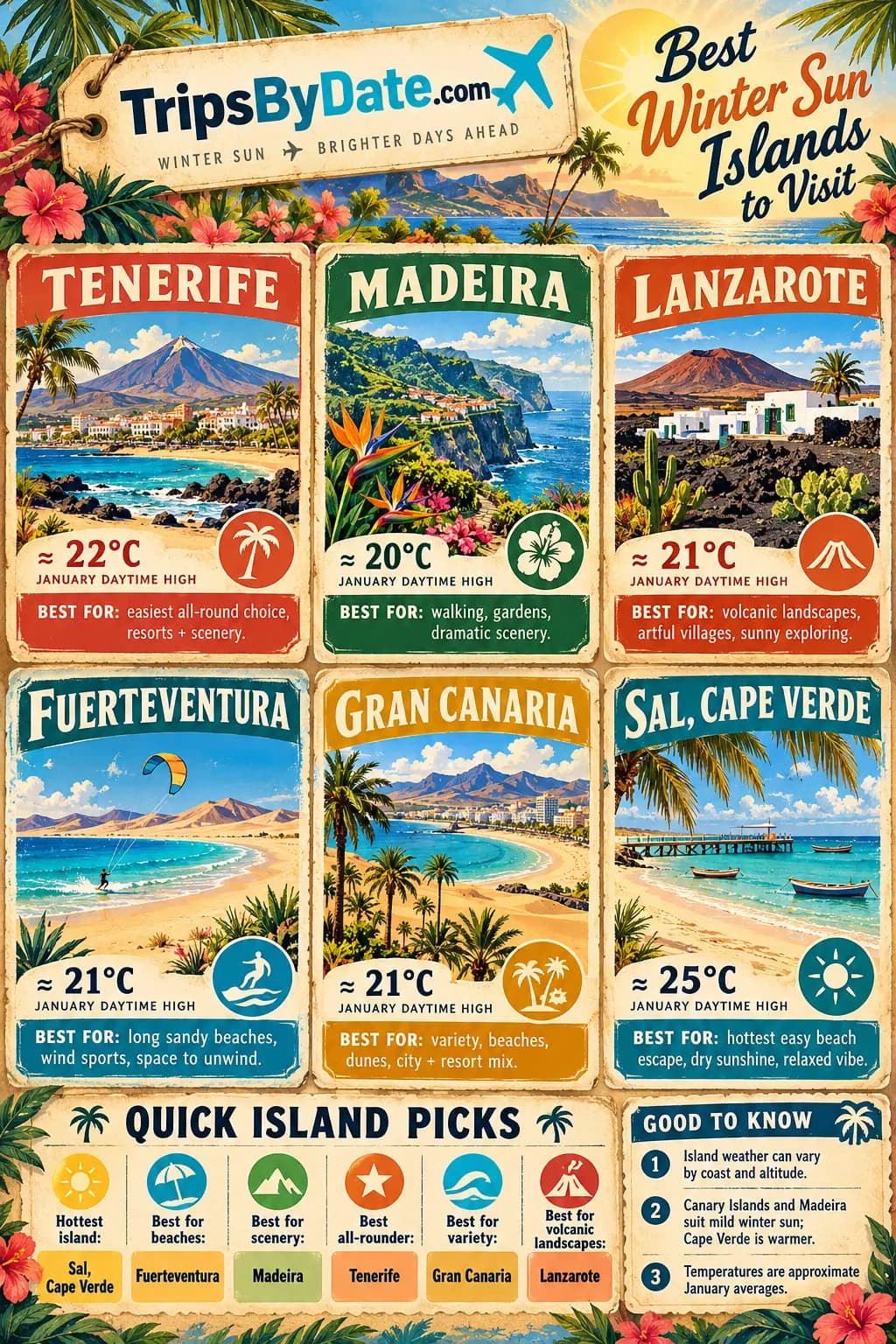
Quick answer: Choose southern Tenerife for the easiest mix of resorts and adventures; Gran Canaria for remarkable variety; Fuerteventura for immense beaches and surfing; Lanzarote for volcanic character and food; and Madeira for walks, gardens and spectacular views. Sal or Boa Vista in Cape Verde generally offer warmer midwinter beach weather. Prefer history? Choose Malta and Gozo. For something further afield, Zanzibar brings tropical conditions and Swahili culture, while Djerba offers a distinctive North African island experience.
The real question is not simply which island is warmest? It is what would make you happiest on day three: swimming, exploring, eating your way through a market, walking dramatic trails or doing absolutely nothing with admirable dedication? If maximum heat matters, our guide to the most reliable warm-weather destinations separates hotter climates from the milder European options.
Which winter sun island is right for you?
- First winter island holiday: Tenerife, for established resorts, beaches and plenty of activities.
- Beach-loving families: southern Gran Canaria or selected sheltered Tenerife resorts, with a heated pool as a useful backup.
- Active couples: Madeira for scenery, levadas, gardens and memorable drives.
- Friends who like food and unusual landscapes: Lanzarote, where wine-growing looks like science fiction.
- Surfers and spacious-beach enthusiasts: Fuerteventura; check wind and swimming conditions first.
- Warmer Atlantic island winter: Cape Verde's Sal or Boa Vista; expect wind, ocean swell and a quieter pace.
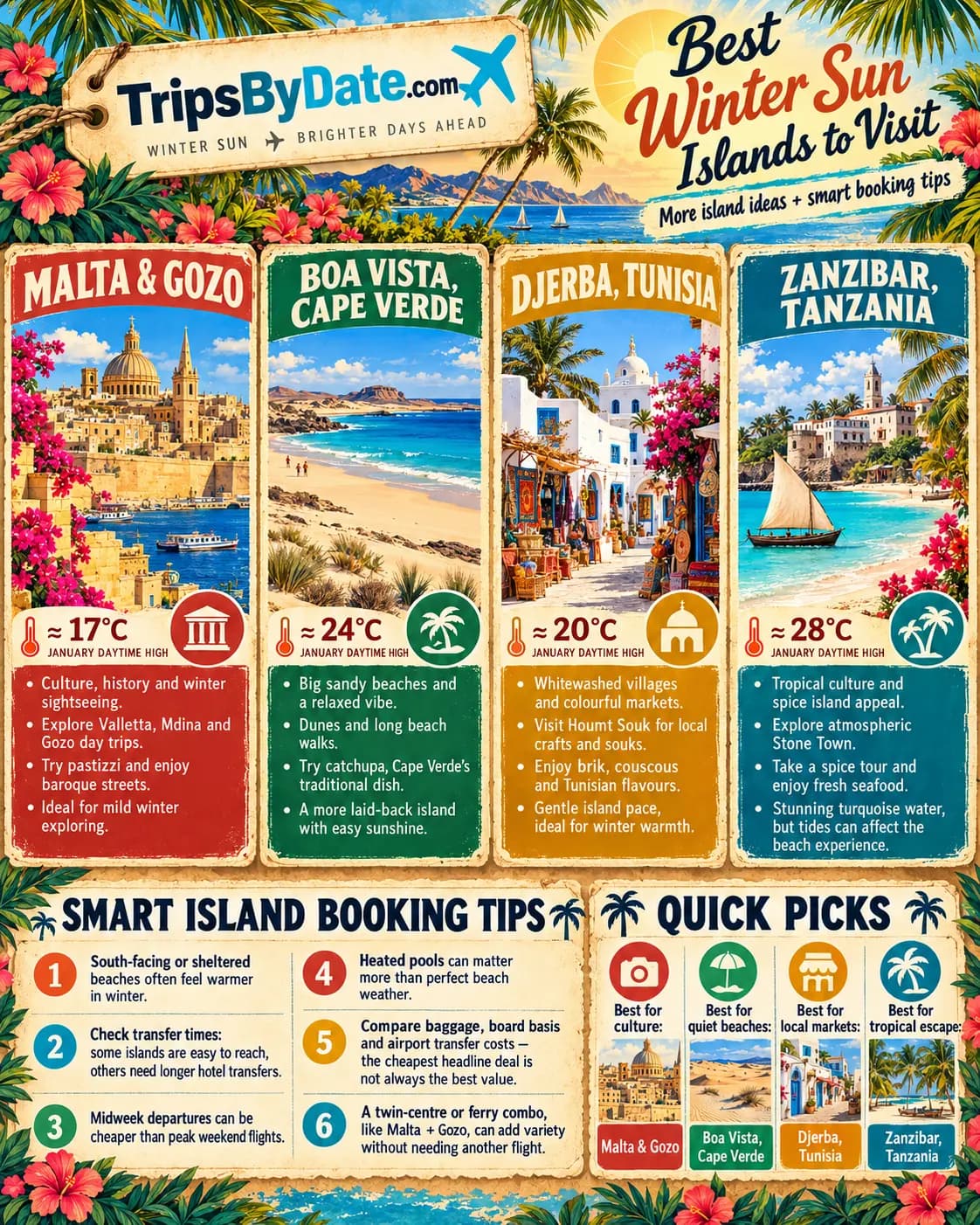
- Culture over sunbathing: Malta and Gozo, or Djerba for North African heritage.
- A tropical, longer-distance escape: Zanzibar, where season, tides and travel logistics need more planning.
Do not judge an entire island by a single temperature. Coastal sunshine, mountain clouds, sea temperature, wind and rainfall tell different stories. In winter, a sheltered promenade can feel positively summery while a nearby ridge feels as though it has borrowed Scotland's weather.
See where your next available dates could take you
These are varied upcoming package-holiday listings from TripsByDate's wider inventory, ordered by departure date. They are not filtered to the islands in this guide or guaranteed winter dates. Choose your departure airport and the dates you have free, then check destination, duration, flight schedule, prices and availability with the travel operator.
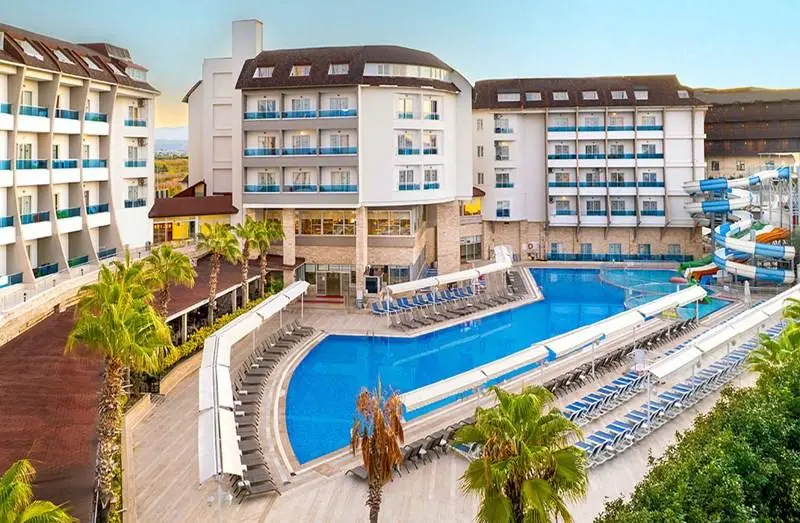


 SEN • 7 nights
 AI · easyJet holidays

 LHR • 7 nightsAI · Skiline
 LHR • 7 nightsAI · Skiline
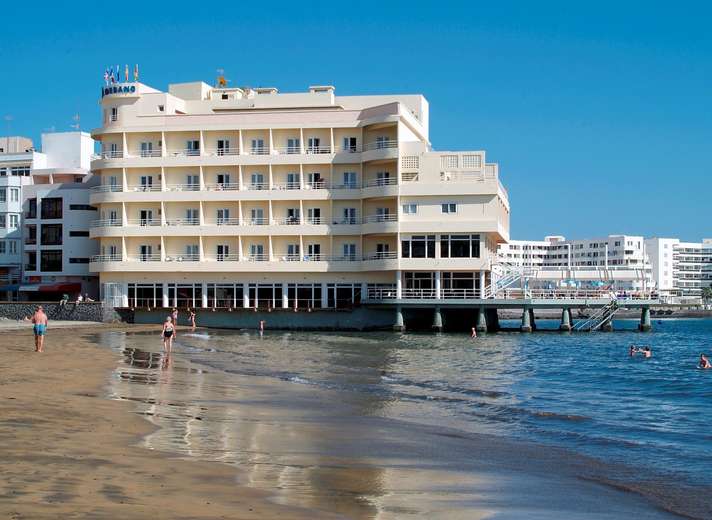 BHX • 3 nightslastminute.com
The Canary Islands: four neighbours with very different personalities
The Canary Islands lie off north-west Africa but belong to Spain. Their low-latitude location makes them a dependable place to look for mild winter sunshine, not a promise of hot sea temperatures. The clever move is to choose the island that suits the holiday you actually want, rather than book whichever photograph has the bluest swimming pool.
1. Tenerife: beach resorts on one side, ancient forest on the other
Best for: first-time island visitors, multigenerational families and couples who want activities without abandoning beach time. Southern resort areas such as Costa Adeje and Los Cristianos are popular winter bases, but they are only the beginning. Head north-east to the Anaga mountains and you can walk into damp, green laurel forest that looks absolutely nothing like the sunlounger brochure.
A brilliant contrast: spend one day on a southern beach and another among the winding lanes, ridges and villages around Anaga. For some protected routes, advance permits apply. The Tenerife ON official trail portal helps you plan permitted routes and check conditions. Do not assume a misty mountain walk will feel like a seaside afternoon, even if the island is sunny when you leave your hotel.
Eat something memorable: look for papas arrugadas with green or red mojo, local cheese and a proper Canarian meal. For a different food experience, investigate traditional guachinches in the north: informal establishments associated with local wines and simple dishes, with variable opening arrangements. A useful plan is one outdoor activity, one good lunch and no heroic attempt to drive around the whole island before dinner.
The booking trap: your hotel may be in the sunny south while the photo of a lush green forest was taken in the cooler north. Those are both Tenerife, but not the same weather. Our UK winter-sun destination comparison explains how these trade-offs change the experience.
2. Gran Canaria: sand dunes, green ravines and an ancient mountain culture
Best for: groups who cannot agree on one type of holiday. Beach person? Maspalomas. City cafés? Las Palmas. Hills and traditional towns? Head inland. This island may be the ideal compromise for the friend who wants to hike before breakfast and the friend who considers walking from a lounger to a restaurant an extreme sport.
The unexpected discovery: the UNESCO-listed Risco Caído and Sacred Mountains cultural landscape preserves evidence of pre-Hispanic cave settlements, granaries and ceremonial spaces. It is not a generic viewpoint with a dramatic name; it is a landscape that tells a much older story about island life. Check which interpretation centres and visits are accessible rather than assuming every archaeological location can be entered freely.
Try a north-coast detour: explore the whitewashed streets and coastline around Agaete, perhaps pairing a seaside lunch with inland valley scenery. Food lovers should try Canarian cheeses and locally produced specialities instead of eating every meal on the same tourist strip. For families, the southern beaches may be a more dependable base while a day trip offers a taste of the island's wilder side.
Winter reality: the island's greener north and mountains can have very different weather from the southern resort coast. Choose a base according to what you want to do most days, not simply the biggest available hotel buffet.
3. Lanzarote: where the vineyards look as if they were planted on the Moon
Best for: curious couples, creative friends, food lovers and families fascinated by volcanoes. Much of Lanzarote looks sculpted rather than grown. Black volcanic earth, low white buildings and artworks associated with César Manrique give the island a distinctive identity even on a day when the beach is breezy.
One genuinely remarkable experience: drive through the wine-growing region of La Geria. Growers plant vines in hollows in volcanic material, using stone barriers as wind protection. Spain's official tourism site explains how Lanzarote's vineyards adapt to volcanic sand. You can visit suitable bodegas, learn about Malvasía wine and enjoy a landscape where somebody appears to have planted a vineyard inside thousands of giant cereal bowls.
For another surprising taste, find gofio, a traditional toasted-grain food used in sweet and savoury dishes. If you are driving, allow time to enjoy the scenery rather than treating every volcanic feature as a checkpoint. Book popular attractions appropriately, and distinguish the actual Timanfaya visitor arrangements from independent walks, many of which are restricted in protected areas.
Where to stay: Playa Blanca, Puerto del Carmen and Costa Teguise offer different resort moods. Think about exposure to breeze, restaurants and whether you need an easy beach within walking distance. For more on outdoor conditions, see our winter beach holiday guide.
4. Fuerteventura: the island that made space its signature attraction
Best for: surfers, beach walkers, couples who want quiet and families who value sand and swimming-pool time. Fuerteventura's beaches can feel wonderfully expansive, especially around Corralejo, Costa Calma and the Jandía peninsula. But the Atlantic breeze is part of the island's personality, not an occasional technical fault.
A secret beyond the sand: visit Betancuria, once the island's capital, with historic architecture and a surprising inland setting. Fuerteventura's official guide to Betancuria explains how its location helped defend against past attacks. For something delightfully niche, the Salt Museum at Salinas del Carmen explores traditional salt-making and has an enormous whale skeleton nearby. That is the sort of holiday sentence nobody expects you to say on returning to work.
Try the local food: queso majorero, the island's well-known goat's cheese, deserves space on the table. If you love watersports, consider a qualified local instructor and check conditions carefully. If you simply want a warm family swim, a sheltered beach or genuinely heated hotel pool may matter much more than the resort's marketing adjectives.
Madeira and Cape Verde: two very different Atlantic island escapes
5. Madeira: a garden island with a dramatic streak
Best for: active couples, scenery enthusiasts, food-loving friends and families who enjoy nature. Madeira is a wonderful choice when the dream is to eat outdoors, admire huge cliffs and explore greenery rather than spend every day swimming in the sea. Funchal makes a practical base for restaurants, museums and gardens, while the island's mountain roads lead into another world.
Do something different: pair the volcanic coastline with a market visit and a taste of bolo do caco, the island's garlic-buttered flatbread. Try espetada, skewered grilled meat, or explore the less familiar villages and viewpoints rather than doing the same handful of postcard stops. Porto Santo, in the Madeira archipelago, offers an entirely different sandy-beach atmosphere, but a second island takes extra logistics and should never be crammed into a short break without checking transport.
Important planning detail: popular classified levada and mountain trails can require advance reservations, and routes may be restricted or closed depending on conditions. Check the official Madeira hiking information and trail status before planning. Weather changes quickly in mountainous terrain. Bring suitable shoes and layers; a hotel breakfast of pastries does not count as mountain safety equipment.
Know before you go: a dramatic cliffside pool photograph may depict an exposed natural swimming area, not a sheltered tropical lagoon. Match the sea conditions and the forecast to your plans.
6. Sal, Cape Verde: easy-going beaches with a salty surprise
Best for: couples, relaxed groups and families who want sunshine, resort facilities and sandy beaches. Sal is a stronger bet for genuinely warm midwinter days than many European islands, but expect trade winds and Atlantic surf. Santa Maria is the familiar resort base, and an evening strolling near the pier can be more memorable than another round of poolside musical chairs.
Something wonderfully odd: explore the salt landscape at Pedra de Lume, where salt pans occupy a volcanic crater. The island's name is not merely a marketing exercise. Another classic local experience is a visit to a beachside restaurant for fresh fish or cachupa, the Cape Verdean dish commonly based on slow-cooked maize, beans and other ingredients. Recipes and accompaniments vary, which is a good excuse to try more than one version.
Respect the water: do not mistake an inviting turquoise ocean for a supervised swimming pool. Wind, swell and currents can be strong. Check beach flags and local guidance; for families, ask whether the hotel pool is heated in winter. UK visitors should check the latest Cape Verde entry advice, including pre-arrival requirements.
7. Boa Vista, Cape Verde: dunes, long beaches and the pleasure of doing less
Best for: beach-loving couples, friends wanting a quiet reset and anyone who prefers open landscapes to busy waterfront shopping. Boa Vista is famed for sweeping sand, desert-like scenery and huge horizons. It is less about racing through ten attractions and more about finding a comfortable rhythm between a beach, a local town and an occasional excursion.
Go beyond the hotel gate: investigate Sal Rei's everyday island atmosphere and visit suitable viewpoints or dunes with a responsible guide. Coastal journeys can involve rough tracks, so treat jeep or quad excursions as a safety decision rather than something automatically suitable for small children or sensitive habitats.
A wildlife note: Cape Verde supports important loggerhead turtle nesting, but nesting and hatchling activity are seasonal, not an all-winter attraction. Choose conservation-led excursions if travelling in the appropriate season, follow guidance and never touch turtles or disturb nests. The best wildlife encounter is the one that lets the wildlife carry on being wild.
For a direct choice between Sal and Boa Vista, compare actual UK departures, resort position, sheltered swimming options and total transfer time. Both can look equally magical in a brochure while offering quite different evenings outside the hotel.

An island you had not considered might be your next favourite
Start with your UK airport and the dates you have free. Scroll through available holidays across destinations without filling in endless destination-first search forms.
Find holidays by dateCulture-first islands: Malta, Gozo and Djerba
8. Malta and Gozo: more history than you can fit into a long weekend
Best for: history lovers, foodie couples, independent friends and families who like forts, boats and winding streets. Malta is an island holiday where a mild sunny day can be spent discovering ancient temples, grand harbours and fortified cities. Valletta is compact and lively; Mdina is peaceful and atmospheric; Gozo offers a slower-paced change of scene.
An unexpected history lesson: Malta's heritage includes extraordinary prehistoric sites as well as the Knights of St John. The official tourism board explains its UNESCO sites, including Valletta and the Ħal-Saflieni Hypogeum. The latter has strict visitor controls, so treat advance booking as essential when it is the centrepiece of your trip.
Eat like you mean it: try pastizzi, flaky pastries commonly filled with ricotta or peas; look for ftira; and give Gozo's traditional dishes a chance. The Maltese island-and-ferry combination is a lovely way to add variety, but check official ferry schedules and weather disruptions. Do not book dinner on a separate island with only a heroic optimism-based connection back.
Climate honesty: Malta is a mild winter city-and-culture break, not a reliable hot winter beach holiday. Choose it because you want to explore. A beautiful harbour view tastes just as good with a light jacket on.
9. Djerba, Tunisia: whitewashed villages, markets and a fascinating island history
Best for: adventurous culture seekers, market browsers and travellers who enjoy discovering somewhere a little less obvious. Djerba brings sandy beaches, North African food, whitewashed architecture and a very different rhythm from the Spanish resort islands. It is an intriguing mild-weather escape, although winter does not automatically mean hot swimming conditions.
Look closer than the beach: explore Houmt Souk, known for its markets, craft traditions and historic streets. The island's distinctive pattern of dispersed settlements and relationships between communities is recognised by UNESCO's Djerba World Heritage listing. That is a far more interesting story than describing the entire island as “sun, sea and souks”.
Food mission: look out for brik, the crisp filled pastry, and Tunisian couscous, alongside seafood and regional specialities. Eat at a reputable local restaurant and ask what is freshly prepared. For families and groups, check whether resort attractions and excursions operate in winter rather than relying on summer promotional photos.
Before booking, read the latest UK travel advice for Tunisia and confirm passport, entry and regional safety information. Historic sites and places of worship deserve respectful dress and behaviour.
10. Zanzibar, Tanzania: spice, Swahili streets and a genuinely tropical winter
Best for: couples wanting a memorable longer holiday, culturally curious friends and families comfortable with a longer journey and tropical conditions. Zanzibar is not a slightly warmer version of Malta. It is a distinctly different Indian Ocean destination where tides, humidity, local customs, longer travel and health preparation all matter.
Do not skip Stone Town: its winding lanes, ornate doorways, waterfront and centuries of Indian Ocean cultural exchange make it a highlight in its own right. UNESCO describes Stone Town's Swahili trading heritage, shaped by African, Arab, Indian and European influences. Some history is uncomfortable, including the slave trade, and deserves thoughtful engagement rather than treating every stop as a colourful photo backdrop.
Try a spice experience thoughtfully: visit a reputable small-scale spice farm or market, learn how cloves and other spices are used and ask before photographing people. Sample local dishes influenced by the island's varied trading history. If you are hoping for endless swimming, research the particular coast's tidal changes: some beach areas experience dramatic low-tide retreats, which can transform the day.
Critical travel check: Zanzibar has specific visa, health and compulsory inbound-insurance requirements. The UK government's Tanzania entry guidance explains these requirements. Check it before paying for non-refundable arrangements. This is one holiday where the planning admin deserves almost as much attention as the swimwear.
Six island-holiday secrets that matter more than a weather icon
1. Your side of the island can change the whole holiday
Mountains can trap cloud, trade winds can make one coast feel much breezier than another, and the difference between a west-facing sunset beach and an exposed Atlantic surf beach can be substantial. Research the specific resort, beach and hotel, not just the island's average temperature.
2. A heated pool can beat a misleading “beach weather” forecast
Winter air may feel warm while the sea is chilly or conditions are unsafe. If children want to swim daily, ask the hotel whether its pool is actually heated, whether all pools are heated and when. “Pool available” is not the same as “pool comfortable”.
3. Two islands do not always make one easy holiday
Malta and Gozo can work well together. Madeira and Porto Santo, or Sal and Boa Vista, require a closer look at transport, schedules and potential sea conditions. The more ferry or flight connections you add, the less carefree a short holiday may become.
4. An inland adventure may be the best day of the trip
Betancuria, Gran Canaria's ancient mountain landscape, La Geria's vineyards and Madeira's inland trails all show why the strongest island memories are often not made on the beach. Pick one headline adventure and leave time for an unexpectedly good lunch.
5. Booking the wrong resort can add unnecessary travel
A hotel on a secluded headland may be wonderful for couples but frustrating for families without a car. Compare actual airport transfer times, walkability, evening dining options and excursions. Our total holiday cost guide helps explain why the cheapest-looking booking is not necessarily the best-value trip.
6. The best date may reveal a destination you never searched for
You might start with Tenerife but discover a convenient Lanzarote departure. Or find that Malta works better for a shorter break while Madeira has the right dates for a longer one. That is the idea behind TripsByDate: start with your airport and dates, then scroll through the holidays that fit, more like discovering inspiration in a feed than completing another destination-first form.
Plan your winter sun island escape around the people going
For couples: choose one wonderful setting and build around it. Madeira for mountain scenery and leisurely dining; Lanzarote for wine and design; or Boa Vista for beachside quiet. A good island romance involves more shared discoveries and fewer frantic parking disputes.
For families: start with flight logistics, the right hotel location, swimming facilities, practical food options and achievable day trips. Tenerife and Gran Canaria can offer enormous flexibility. For younger children, a comfortable pool and nearby supermarket may count for more than an ambitious volcano itinerary.
For groups of friends: decide early whether you want nightlife, outdoor activities or relaxation. Lanzarote and Tenerife can balance several interests; Malta suits shared city exploring; Fuerteventura appeals to active beach lovers. A villa miles from everything is only a bargain until everyone starts calculating taxi fares.
For solo travellers: well-connected places with walkable centres and established tours can make it easier to combine independence with company. Consider central Funchal, Valletta or a well-situated Canarian resort, then check transport and tour availability for your travel dates.
Frequently asked questions about winter sun islands
Which Canary Island is warmest in winter?
There is no single island that wins every day. Coastal position, wind and local microclimates matter enormously. Southern Tenerife and southern Gran Canaria are popular for sheltered resort weather, while Lanzarote and Fuerteventura can feel windier. Compare specific resorts and historical climate patterns rather than relying on a permanent ranking.
Which winter sun island has the best beaches?
Fuerteventura is particularly well known for long stretches of sand; Sal and Boa Vista offer broad Atlantic beaches; and Tenerife or Gran Canaria have a wider mixture of resort settings. The best beach for swimming is not necessarily the biggest or most photogenic beach. Consider surf, currents, lifeguards and how far you want to walk.
Is Madeira warm enough for a winter beach holiday?
Madeira can be mild and pleasant for coastal lunches and exploring, but it is not the same as a reliably hot tropical island. It is a particularly strong choice for gardens, hiking, views and culture. Travellers planning daily swimming should check sea conditions and hotel pool heating.
Is Cape Verde warmer than the Canary Islands in winter?
Cape Verde generally has warmer midwinter daytime conditions than the Canary Islands. That does not mean every beach is safe for swimming or every day is windless. Sal and Boa Vista are excellent possibilities when winter warmth is the priority, but you should still compare particular resorts.
Can you combine two islands in one holiday?
Yes, but the practical answer depends on transport and duration. Malta and Gozo make a natural pairing. Other combinations may need flights or less frequent ferry services. Check schedules, luggage rules and weather exposure before committing, especially for short stays.
What is the best winter sun island for a short break from the UK?
For a short break, convenient flight schedules and straightforward transfers matter more than a theoretical temperature advantage. Malta, Tenerife, Lanzarote, Gran Canaria and Madeira are worth checking depending on your UK airport and the available flights. See our shorter-flight winter sun ideas and wider six-hour options, remembering that flight times vary by route.
Find a brighter island escape without the endless searching
Choose your UK departure airport and free dates, then browse available package holidays across destinations. Less searching. More choosing.
Find holidays by dateOne last thought: the best winter sun island is not necessarily the hottest, the furthest away or the one with the most immaculate beach photograph. It is the one you would still love after the third meal, the second excursion and the day the weather has its own ideas. Start with the experience you want, check the dates you have, and let TripsByDate help reveal the possibilities.
Still weighing up your choices? Compare Europe's mildest winter destinations, our winter beach holiday ideas and the best months for winter sun before you decide.