

Best Weekend Breaks in March
Orange blossom, riverside pastries and ancient ruins without the full summer crowds. March is ready when you are.

March is the month when Europe starts negotiating with winter. Cafés put chairs outside, trees flirt with blossom and travellers begin wondering whether sunglasses and a raincoat can share the same suitcase. They can. In fact, for a March weekend away, they probably should. With the right destination, two or three nights can deliver a proper change of scenery without the queues, heat or holiday-season intensity of summer.
Quick answer: choose Seville for springtime streets, orange blossom and tapas; Porto for atmospheric river views, markets and brilliant food; or Athens for ancient history, neighbourhood wandering and the first hints of Mediterranean spring. Seville is the strongest bet of these three for a warmer outdoor-city mood, Porto rewards travellers who enjoy a little rain with their riverside romance, and Athens offers an especially rewarding mix of archaeology and modern city life. None promises summer weather or the cheapest deal on every date.
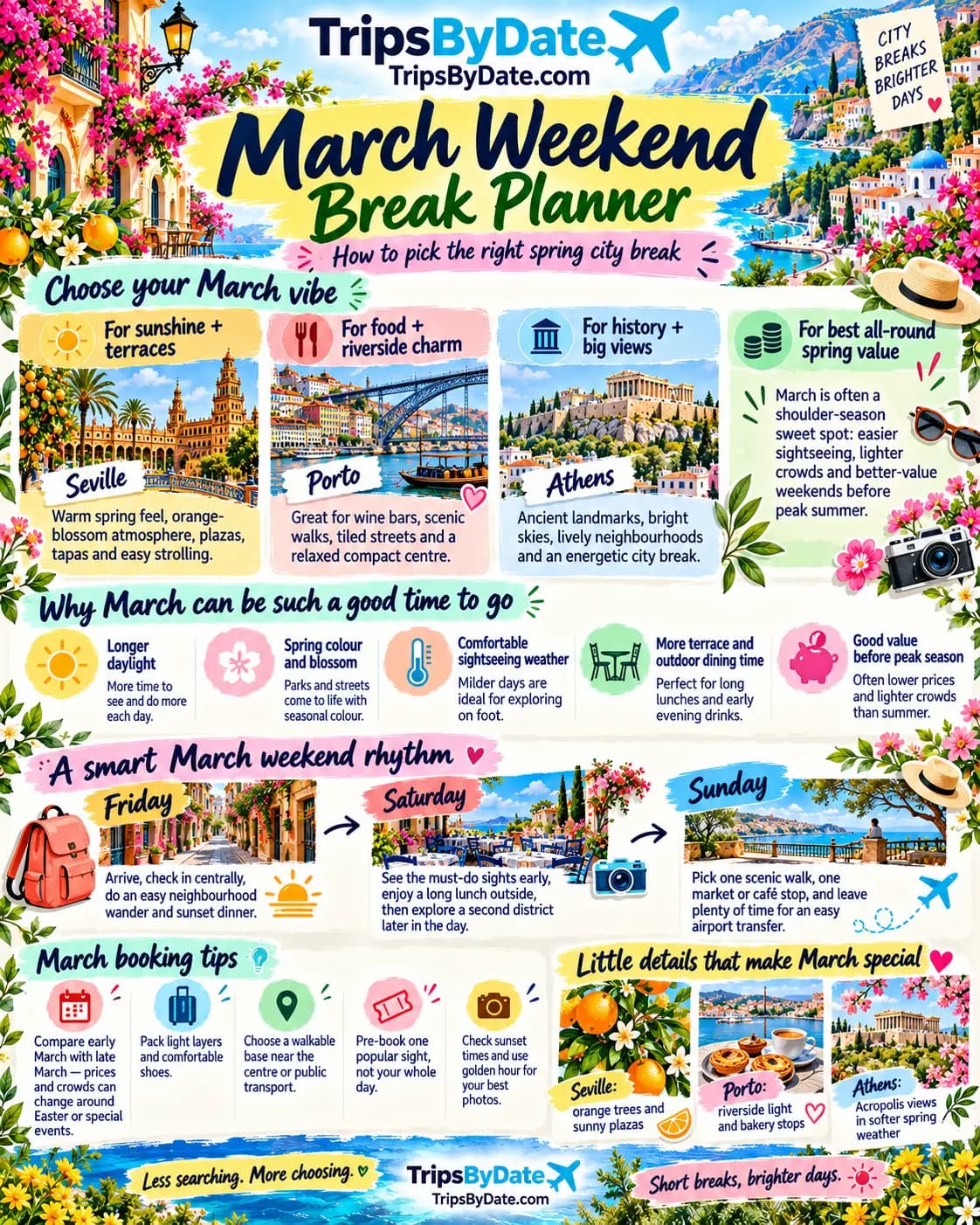
The hero and extra images focus on those three cities, and for good reason. But the secret to a brilliant weekend break in March is not simply picking somewhere photogenic. Which part of March? Early and late March can differ in daylight, weather, celebrations, opening hours and prices. This guide goes beyond the usual springtime destination list to help you pick the right weekend, spot the genuinely interesting details and avoid the peculiar ways a two-night holiday can go wrong. For wider inspiration, see where to go on holiday in March and the best weekend breaks in Europe.
Which March weekend break fits your mood?
- For spring sunshine and terraces: Seville. Historic plazas, monumental architecture, a lively food scene and beautiful walks along the Guadalquivir. Expect changeable spring weather, not guaranteed heat.
- For food, river views and café culture: Porto. The Douro, tiled streets, port wine heritage, small plates and excellent indoor fallbacks when rain arrives.
- For history with a modern-city pulse: Athens. The Acropolis, ancient neighbourhoods, fascinating little streets, rooftop views and affordable-feeling pleasures that do not depend on beach weather.
- For an extra-special calendar event: check whether Holy Week or Greece's 25 March national holiday overlaps with your trip. These change the experience dramatically.
- For friends or families: put convenient flights, hotel location and opening times ahead of a destination's reputation. A wonderful city with dreadful travel timings makes a surprisingly exhausting weekend.
One important distinction: March often falls between winter and summer holiday peaks, but it is not universally a cheap month. Easter sometimes begins in March, major cultural events attract crowds and Friday evening flights can still be expensive. Compare real packages for the days you can travel rather than treating "shoulder season" as a discount code.
Explore upcoming holidays by departure date
These are four varied examples from the wider TripsByDate package-holiday inventory, generally ordered by departure date. They are not specifically filtered to March, weekend-length stays or the three destinations in this guide. Use them for discovery, then choose your own UK airport and available dates and confirm the operator's current flight times, nights, inclusions and total price.


 SEN • 7 nights
 AI · easyJet holidays

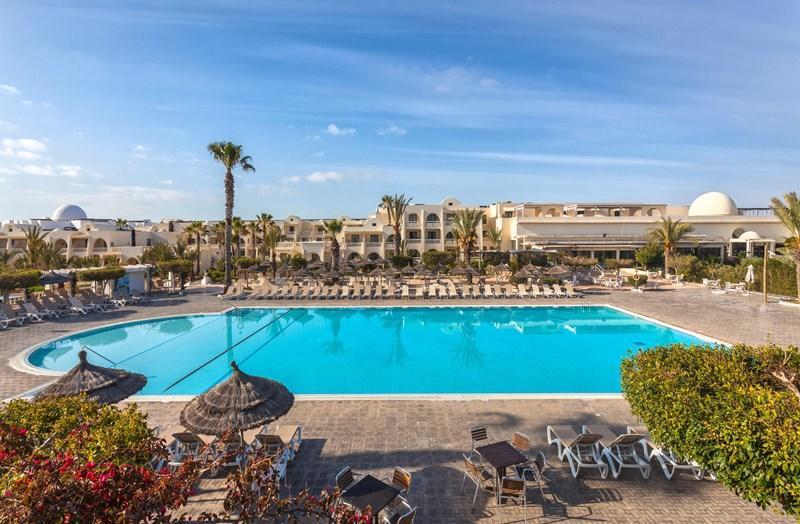 MAN • 7 nightsAI · easyJet holidays
 LTN • 3 nightsHB · Skiline
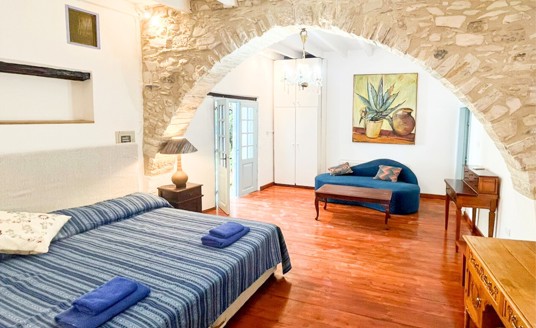 LGW • 7 nightsSC · Olympic Holidays
1. Seville: March at the speed of a long, delicious lunch
Best for: couples wanting beautiful streets and leisurely evenings, friends who judge a city by its tapas, and families who prefer parks and walkable sights to an exhausting attraction marathon. Seville is the place to visit when you are ready to remember that eating outside is a possibility, not a distant summer rumour.
Why March works: days can be pleasantly mild for wandering between the cathedral area, the Real Alcázar, Santa Cruz and Plaza de España. Citrus trees are everywhere, and fragrant orange blossom, known as azahar, is associated with the arrival of spring. The precise timing depends on weather. You may smell it before you even work out where it is coming from, though flowering is not guaranteed on any particular weekend. March can also bring rain and chilly evenings, so a cardigan has a more useful job than posing for photographs.
Start with the classic, but do it intelligently: choose either the Real Alcázar or the cathedral as a timed-ticket anchor, rather than trying to squeeze both plus every other monument into one rushed morning. The Real Alcázar's official website is the place to check entry requirements and booking channels. From Santa Cruz's lanes, wander towards the gardens and Plaza de España. The tiled alcoves around the plaza make it tempting to photograph every province of Spain. You have a weekend, though, not a postgraduate research grant.
The detail the postcards tend to miss: go across the river to Triana. This is not merely a place to watch the sunset and return. Seville's official Triana neighbourhood guide describes a district shaped by ceramics, flamenco and river trade. Explore the streets behind Calle Betis, step into a neighbourhood bar and pay attention to the tiled signs and façades. Those decorations are a clue to the area's working history rather than random Instagram wallpaper.
A genuinely unusual indoor stop: the Triana Ceramics Centre occupies part of an old pottery factory and preserves original kilns and production tools. It explains how the colourful tiles seen across Seville were made. It is especially good if the skies open or you are visiting with children who enjoy seeing how things work. The ceramics also make a more distinctive souvenir than another plastic flamenco magnet.
Eat with a little curiosity: try espinacas con garbanzos (spinach with chickpeas), salmorejo when available, or small shared dishes that let your group taste more of the menu. Ask what is seasonal rather than assuming all traditional dishes appear year-round. For couples, leave room for a late, atmospheric dinner; for friends, a few well-chosen tapas stops beat the dangerous challenge of ordering absolutely everything because the plates look small.
Critical March warning: Seville's Semana Santa, or Holy Week, is a major event whose dates change with Easter. It can begin in March, including in years when celebrations run through the final part of the month. The official Seville Holy Week guide explains the processions and their religious and cultural significance. It can be an extraordinary reason to visit, but streets may close, transport routes change and accommodation demand rise. Plan specifically for it if you want the atmosphere; avoid arriving by accident with a tightly timed suitcase-to-museum itinerary.
Where to stay: a base near the historic centre is helpful, but look at actual walking routes and noise levels. Santa Cruz offers atmosphere, Arenal suits river and monument access, and Triana gives a more neighbourhood-focused experience. A central hotel near your evening plans may be worth more than a discounted room requiring repeated taxi journeys.
2. Porto: rain, riverside light and food worth the flight
Best for: friends who love eating and discovering little bars, couples who enjoy scenic walks, and families happier with a compact cultural city than a sprawling checklist. Porto does not always give you postcard-blue skies in March. What it does give you is character: steep lanes, a dramatic iron bridge, azulejo tiles, boats on the Douro and the feeling that even a quick coffee stop deserves a view.
Understand the weather before you fall in love: Porto's own tourism organisation advises visitors to prepare for rain in autumn, winter and spring. That is not a reason to stay home, merely a reason to have Plan B. See Visit Porto's official city guidance. A weekend of alternate sunshine and showers can be lovely if you have waterproof shoes; it becomes less enchanting when your only footwear is canvas trainers and optimism.
Use the river as your compass: start around São Bento and the old streets towards Ribeira, cross the Dom Luís I Bridge when conditions allow and explore the Gaia waterfront on the far side. Rather than race to fit a formal cruise into every itinerary, slow down for a view of the coloured buildings from across the water. The bridge's upper level and some surrounding roads can be exposed to wind. Anyone uncomfortable with heights may prefer another route or a lower-level crossing.
A brilliant March detail: the Mercado do Bolhão sells produce and regional specialities in a renovated historic market building. But the market and its restaurants close on Sundays and public holidays. For a Friday-to-Sunday break, put Bolhão on Saturday, not your last morning. It is such a simple change, yet it can turn a disappointing locked-door moment into a fantastic food stop. Check current opening times before setting out.
Try the Porto taste test: order pastel de nata with coffee, but also look for francesinha, the city's famous substantial sandwich, and regional seafood or petiscos. You do not need to make every meal huge, although Porto appears to consider a cheese-and-sauce-covered sandwich a perfectly reasonable engineering achievement. If you prefer wine, Gaia's cellar district offers tastings and guided visits. Reserve ahead if a particular cellar matters to you and choose options suitable for your group.
The overlooked garden: Porto's Palácio de Cristal Gardens offer river viewpoints, paths and places to sit above the city. The original nineteenth-century Crystal Palace building no longer stands, but the garden name remains. The site has seasonal opening arrangements, so check before planning an evening visit. It is an excellent contrast to the tight streets down by the Douro, especially if you have spent the morning eating something structurally similar to a small building.
The more interesting route: allow a half-day with no fixed bookings. Walk through tiled streets, stop in a bakery, find a side-street café, then descend towards the river. Make the planned tasting or museum the one fixed event, not the entire day's governing authority. If the weather turns, shift to a cellar visit, church interior or café with a window seat.
With children: choose a playground or garden stop between architectural sights. Porto's slopes and uneven pavements matter when pushing a buggy, so check the route before trusting an app's "12-minute walk". For groups, agree on the day’s one booked experience, then let everyone pick a food stop. The alternative is forty-five minutes of democracy outside a pastry shop.
Practical arrival tip: Porto Airport's metro connection is useful, but count the journey from your actual arrival time to your hotel. A late flight, luggage and a steep final street can turn a conveniently placed city into a surprisingly long evening. Our airport-transfer planning guide helps you think about the entire route.
3. Athens: the ancient world with room for a modern Greek weekend
Best for: history lovers, first-time visitors, curious teenagers, food-led groups and couples who enjoy rooftop views as much as ancient stones. March is a lovely moment to explore Athens without treating it as a compulsory summer holiday with an awkward city attached.
Spring is genuinely part of the story: the official Athens guide describes early flowers around neighbourhoods and ancient monuments, with the beginnings of spring colour. You might catch warm sunshine, but March can still be wet or cool. The photos in the images promise brighter days, not a reliable beach-swimming forecast. Pack for walking, not for proving to your friends that you have already started summer.
Make the Acropolis your anchor, not your whole identity: check the official Acropolis visitor information for ticketing and winter opening hours. Through March, the site normally follows its winter schedule, with shorter opening than summer. Reserve or arrange the visit on the day that fits those hours, then give the adjacent streets and views time to shine. Comfortable shoes are more useful than any grand ancient-Greece costume you have considered packing.
Here is a wonderfully counterintuitive March fact: 25 March is Greek Independence Day. The Acropolis archaeological site is closed that day, according to its official visitor information, while the Acropolis Museum lists 25 March as a free-admission day. The museum and hilltop monuments are separate attractions with different rules. A visitor who confuses them may discover this at the entrance, clutching a beautifully organised but entirely useless itinerary. Check both sites directly before travelling because holiday arrangements can change.
The celebrations are interesting in their own right: Athens marks 25 March with national ceremonies and parades, typically centred around Syntagma. Roads and transport may be affected. Local March food traditions include bakaliaros skordalia, battered salt cod with a potent garlic sauce. It is a deliciously effective reminder that a romantic shared lunch does not automatically imply romantic breath afterwards. Read the official Athens public-holiday guidance for the wider context.
A secret village in the capital: explore Anafiotika, a tiny area above Plaka with whitewashed cottages and narrow lanes influenced by the Cycladic island of Anafi. The Athens neighbourhood guide explains how island craftsmen created this unexpectedly island-like pocket beneath the Acropolis. Wander respectfully: this is a living residential neighbourhood, not a stage set where every doorway is an invitation to pose.
Another excellent almost-free experience: Philopappou Hill offers views back towards the Acropolis and over the city. Athens' official guide to the hill also connects it with the local Clean Monday custom of picnics and kite flying, when that movable holiday falls in the relevant period. Check footing after rain and leave more time than you expect if walking with small children.
Eat beyond the obvious: in addition to souvlaki and Greek salad, look for a neighbourhood taverna, freshly baked pies, loukoumades and local seasonal vegetable dishes. Psirri and Koukaki make good areas to explore, but the exact best location depends on your hotel and your itinerary. Food is most fun when lunch happens in the neighbourhood you are exploring instead of becoming a cross-city pilgrimage for a restaurant you saw in a thirty-second video.
The three-day balance: use your first evening for Plaka or Koukaki, your main day for the Acropolis and nearby neighbourhoods, then choose either the museum or a market stroll before departing. Families may enjoy the museum and an outdoor break far more than a marathon of ancient sites. Friends can mix history with an evening on a rooftop or in a friendly taverna. Couples should resist treating every scenic viewpoint as a timed photoshoot.

Know which March weekend is free?
Choose your departure airport and available dates on TripsByDate. Browse upcoming package holidays across destinations, then check the actual flights, nights and prices with the operator.
Discover holidays by dateWhy early March and late March are different holidays
Early March: a quieter city break, often with a coat
At the start of March, southern Europe is still between seasons. Some days will feel springlike; others remind you that the calendar is not a weather controller. Outdoor cafés and attractions can be more relaxed than in peak summer, but their hours may still reflect winter schedules. This is a particularly good time to prioritise culture, food, galleries and neighbourhood exploring over beaches.
Mid-March: the interesting middle ground
Longer daylight and the possibility of blossoms can make wandering more rewarding. But weekends near local events may attract more visitors, while Easter dates vary across years and between Western and Orthodox traditions. Check the exact event calendar, school holidays and actual flight prices before assuming a date is quiet. If your goal is simply a spring reset, a less famous city or different departure day might give you more breathing room.
Late March: the festival-and-clock-change trap
Late March can bring Holy Week processions in Seville, the 25 March holiday in Athens and a seasonal change in operating hours at attractions across Europe. One more detail that catches UK travellers out: clocks change on the last Sunday in March in the UK and much of Europe. The UK government clock-change guidance and EU seasonal-time rules explain the change. Phones usually adjust automatically, but your flight and transfer times are still local times. Check the actual journey instead of doing time-zone arithmetic half asleep at an airport.
One more calendar wrinkle: mainland Portugal shares the UK's clock time through much of the year, while Spain is generally one hour ahead and Greece two hours ahead. During the coordinated spring change, those relative offsets usually remain the same, but the overnight clock jump can make early-morning plans surprisingly unpleasant. A pre-arranged taxi at 3am is not improved by enthusiastic debate about whether it is really 2am.
The best March trip for couples, friends and families
Couples: one wonderful evening beats four complicated reservations
Seville is lovely for wandering through historic streets and sharing tapas; Porto is a good fit for scenic river walks and lingering restaurant meals; Athens adds archaeology, cafés and hilltop views. Choose accommodation near the area where you want to spend your evenings, book one special meal or experience, and leave the rest flexible. Planning romance minute by minute tends to make it feel suspiciously like a conference schedule. Our weekend breaks for couples guide explores other options.
Friends: decide the important things before the group chat starts
Agree on a realistic budget, one must-do activity and the general pace: food-heavy, history-heavy or relaxed wandering. Porto's food and wine scene suits a sociable weekend, Seville gives plenty of tapas opportunities, and Athens has a mix of cultural sights and nightlife. Everyone should be allowed one personal priority. Not everyone needs to love museums, but nobody should be forced into a three-hour shop-browsing expedition either. See our friends' weekend ideas.
Families: remove one big logistical headache before you go
Pick a hotel near public transport and one child-friendly highlight. In Seville, parks and the ceramics centre can break up sightseeing. In Porto, allow for steep streets and build in a garden or playground visit. In Athens, combine the Acropolis Museum with shorter walks and somewhere to eat. Check ages, stroller accessibility, local transport rules and rest facilities. The secret is not to see less because children are a nuisance, but to choose experiences everybody can enjoy without hourly negotiations over snacks.
Three realistic March weekend itineraries
Seville: the terrace-and-Triana weekend
Friday: arrive, check into a central hotel, and take a relaxed walk before dinner. Saturday: visit one booked landmark, spend time around Plaza de España and cross into Triana for ceramics and tapas. Sunday: enjoy an easy breakfast and a final riverside walk before leaving for the airport. If Semana Santa overlaps, rebuild the plan around processions and road closures rather than fighting them.
Porto: a weekend with a very important Saturday market
Friday: take an easy evening stroll and dine near your hotel. Saturday: visit Bolhão Market, walk downhill towards the Douro, cross to Gaia and enjoy a pre-booked cellar or cultural visit if appropriate. Sunday: choose a viewpoint or garden and a slow coffee, remembering that Bolhão is not the place for a final-day shopping expedition. If it rains, swap some river walking for indoor discoveries.
Athens: ancient landmarks and modern little streets
Friday: dinner in Plaka or Koukaki. Saturday: book the Acropolis for a suitable opening slot, wander through Anafiotika respectfully and spend time in a nearby café or museum. Sunday: enjoy Philopappou Hill if the weather and your flight allow, or a shorter neighbourhood food stop. On the 25 March holiday, plan around site closures and any parade-related disruption.
These examples assume the flights give you meaningful time on the ground. An arrival late on Friday or an early Sunday return changes the schedule. Our guide to making the most of three days shows how to protect the hours you actually have.
Small March secrets that make an outsized difference
- Check flower timing, not just flower photos: orange blossom and spring flowers do not arrive to a fixed marketing calendar. Enjoy them if they are there, but do not build the entire weekend around an unverified bloom forecast.
- Don't mistake spring sun for warm evenings: riverside terraces and hilltop viewpoints can become cool quickly, especially in wind. A small layer can save a lovely sunset from becoming a shivering endurance test.
- Research closures before buying tickets: Athens' 25 March site closures and Porto's Sunday market closure are two perfect examples of why a generic sightseeing list is not enough.
- Make the rainy-day option genuinely local: choose Triana's ceramics museum, a Porto cellar or the Acropolis Museum. A Plan B should feel like an experience, not a punishment.
- Compare Friday-Sunday with Saturday-Monday: the cheapest flight can produce the worst usable hours, and Monday closures can ruin your preferred activity. Look at total travel time and operating days together.
- Book one headline sight, not everything: leave time for small cafés, markets and neighbourhoods. The most memorable parts of a weekend are often the bits you never thought to search for.
- Pick your hotel with a map: mark the arrival station, one landmark and your planned dinner district. Choose somewhere sensible between them rather than relying on the phrase "central location".
- Expect hills: Porto and Athens both have steep routes. Comfortable grippy shoes beat a very stylish shoe that quietly resents every cobblestone.
- Check entry and health rules: travel documents, appropriate insurance and any accessibility needs still matter on a two-night trip. The FCDO's current travel advice is the right place to start.
For the budget-minded traveller, compare baggage, the departure airport's travel cost, hotel location and any local taxes before declaring a package a bargain. Our weekend break total-cost guide helps reveal the expenses that don't fit neatly onto a tempting advertisement. And for a shorter stay, see best two-night breaks in Europe.
How to find March weekend holidays without guessing the destination
Traditional holiday searching often asks you to choose where you want to go before showing what is available. But if you have a free March weekend, you probably know something more important already: your dates and your preferred UK airport. That is the starting point on TripsByDate. Pick your airport, browse upcoming package holidays by departure date and see the different destinations that are being advertised. You might discover Seville, Porto or Athens, or a city you had not considered at all.
What TripsByDate does not do: it does not book the holiday for you, and the four examples shown in this article are not guaranteed March weekends or specifically selected city breaks. Open the operator's listing to check the final price, actual duration, baggage, transfer options, protection and availability. For more on the method, see how to discover short breaks without choosing a destination first.
A good March getaway is not necessarily the lowest headline price. A well-timed flight, a walkable base, one fantastic meal and a memorable neighbourhood can give you far more value than a slightly cheaper offer that leaves you with half a day and an hour-long transfer. The best deal is the weekend you actually get to enjoy.
Frequently asked questions about weekend breaks in March
Where is best for a weekend break in March from the UK?
Seville is a great choice for springtime sightseeing and tapas, Porto for a food-focused riverside break, and Athens for history and neighbourhood exploring. The best option depends on the flights from your airport, your preferred weather and the dates of local events.
Is March warm enough for a European city break?
Often, yes, for walking and sightseeing in southern Europe. But weather is variable, with possible rain and cool evenings. March is much better viewed as a spring city-break month than a guarantee of hot beach weather.
Is Seville warm in March?
Seville can enjoy pleasantly mild spring days, making outdoor exploration appealing. Conditions vary, so check the short-range forecast and pack layers rather than relying on a seasonal average.
Does Porto get much rain in March?
Rain is a realistic possibility. Porto's tourism organisation advises preparing for wet weather in autumn, winter and spring. Choose flexible activities and waterproof walking shoes, and don't let a passing shower dictate the entire weekend.
Can I visit the Acropolis in March?
Yes, on its normal open days, subject to ticket availability and current visitor rules. March generally follows winter hours, and the archaeological site is closed on 25 March, Greek Independence Day. Always confirm current official arrangements before visiting.
Is the Acropolis Museum free on Greek Independence Day?
The museum's official visitor information lists 25 March as a free-admission day. This does not mean the separate Acropolis archaeological site is open. Check the museum's own conditions and opening details before planning a visit.
Does Easter affect March weekend breaks?
Yes, sometimes significantly. Holy Week in Seville can fall partly or wholly in March, and the dates move each year. Expect potentially busy streets, changed transport arrangements and strong accommodation demand during major celebrations.
Is March cheaper than summer for city breaks?
Some March departures may cost less than peak summer dates, but there is no universal rule. Local festivals, Easter, school holidays and flight demand can push prices up. Compare the complete package for the dates you actually have free.
Are two nights enough for Porto, Seville or Athens?
Two nights can work well if you have usable flight times, a conveniently located hotel and a modest itinerary. Choose one major attraction, one distinctive area and time to relax. A third night gives greater flexibility for a slow meal, museum or weather disruption.
Do the clocks change in March in Europe?
Yes. The UK and many European countries move clocks forward on the last Sunday in March. Always read flight and transfer times in the relevant local time zone. Check official guidance if your journey falls on the clock-change weekend.
How can I find a March break when I haven't picked a city?
Use TripsByDate to start with the UK airport and travel dates that suit you. Browse upcoming packages across destinations, then inspect individual offers with the operator for the final timings, prices and inclusions.
March is for going somewhere, not waiting for summer
One weekend could mean blossom and tapas in Seville. Another might be an umbrella, a perfect riverside view and a spectacular lunch in Porto. Athens gives you the extraordinary pleasure of pairing ancient monuments with modern neighbourhood life in the same afternoon. None requires a packed schedule to feel special.
Take the practical checks seriously, especially festival dates, museum hours, weather and the journey between the airport and your hotel. Then leave some empty space in your plan for the discoveries you cannot predict. For a different seasonal mood, compare January weekends, February escapes or European city breaks. The calendar is already full of possibilities. You only need to find the dates that work.
‹ BACK TO SHORT BREAKSLet your free dates lead the way.
Choose your departure airport and March travel dates on TripsByDate. Browse advertised package holidays quickly, discover different places and confirm the details with the operator. Less searching. More choosing.
Find holidays by date