

Best Weekend Breaks in Europe
Three brilliant cities to start with, nine more worth considering, and clever ways to make just two nights feel like a proper holiday.
A European weekend break should leave you with stories, not just airport receipts and a photo of a hotel kettle. The trick is not squeezing an entire capital city into 48 hours. It is choosing a place where the flight, transfer, neighbourhood and things you actually enjoy fit together beautifully.
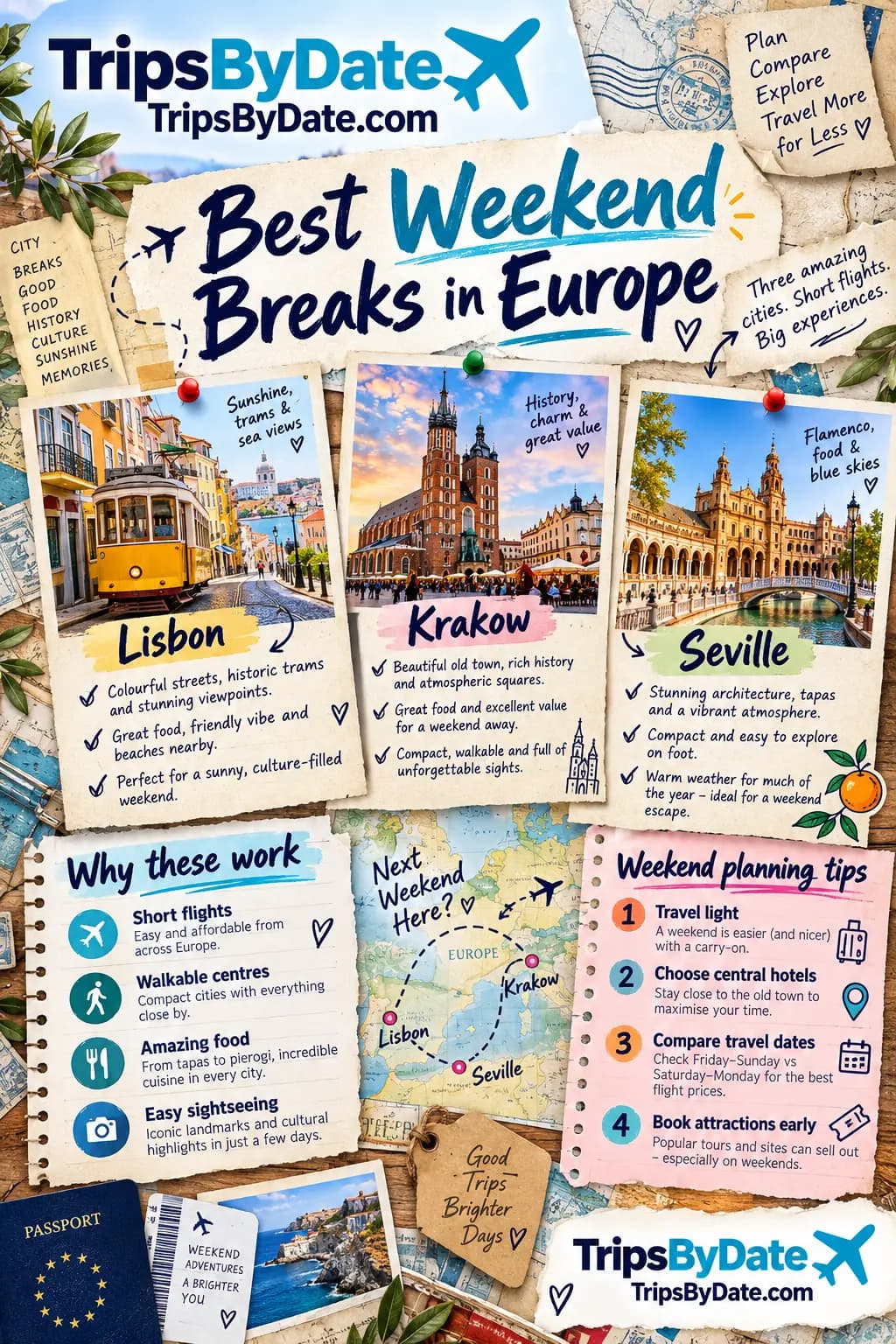
Quick answer: Choose Lisbon for colourful hills, viewpoints and a lively food scene; Kraków for a walkable old town, history and cosy evenings; or Seville for architecture, tapas and sunny squares when the weather cooperates. They are our three featured picks, not an objective ranking of every European city. For a different mood, look at Porto, Bologna, Valencia, Bruges, Copenhagen, Budapest, Florence, Nice or Venice.
We are writing for people travelling from the UK, usually for two or three nights. Actual flight routes, schedules, prices and availability vary by airport and date. A fantastic destination with an awkward return flight can be a terrible weekend choice. Start by choosing your usable travel days, then choose the destination. That is precisely the idea behind TripsByDate's date-first holiday search.
Best European weekend breaks at a glance
- Lisbon, Portugal: best for scenic viewpoints, tiled streets, seafood and relaxed evenings. Expect hills.
- Kraków, Poland: best for a compact historic centre, atmospheric squares and a culture-packed two-night stay.
- Seville, Spain: best for tapas, grand architecture and exploring neighbourhoods on foot. Summer heat is a serious consideration.
- Porto, Portugal: best for food markets, river views and leisurely wandering.
- Bologna, Italy: best for eating exceptionally well and walking beneath historic covered porticoes.
- Valencia, Spain: best for combining city sights, parks and a Mediterranean beach.
- Bruges, Belgium: best for canals, romantic streets and a slower pace, especially as a rail-based break.
- Copenhagen, Denmark: best for design, neighbourhood cafés and cycling culture, but budget carefully.
- Budapest, Hungary: best for thermal-bath time, striking architecture and evenings beside the Danube.
- Florence, Italy: best for art and Renaissance architecture, with advance museum planning.
- Nice, France: best for a waterfront promenade, markets and French Riviera atmosphere.
- Venice, Italy: best for an unforgettable romantic setting, provided you plan for crowds and local visitor rules.
There is no universal cheapest, warmest or easiest city on this list. Compare your particular weekend, flight times, total journey and hotel location before deciding. Our guide to the best months for a European city break is useful if you can choose when to travel.
Discover upcoming package holidays by departure date
These are four varied upcoming examples from the TripsByDate inventory, ordered by departure date. They are not guaranteed to be two-night breaks or trips to the cities above, and prices and availability can change. For your own weekend, choose the dates you are free and see which advertised holidays fit.


 LGW • 7 nights
 SC · Broadway Travel

 LGW • 7 nightsB&B · Broadway Travel
 LGW • 7 nightsRO · Broadway Travel
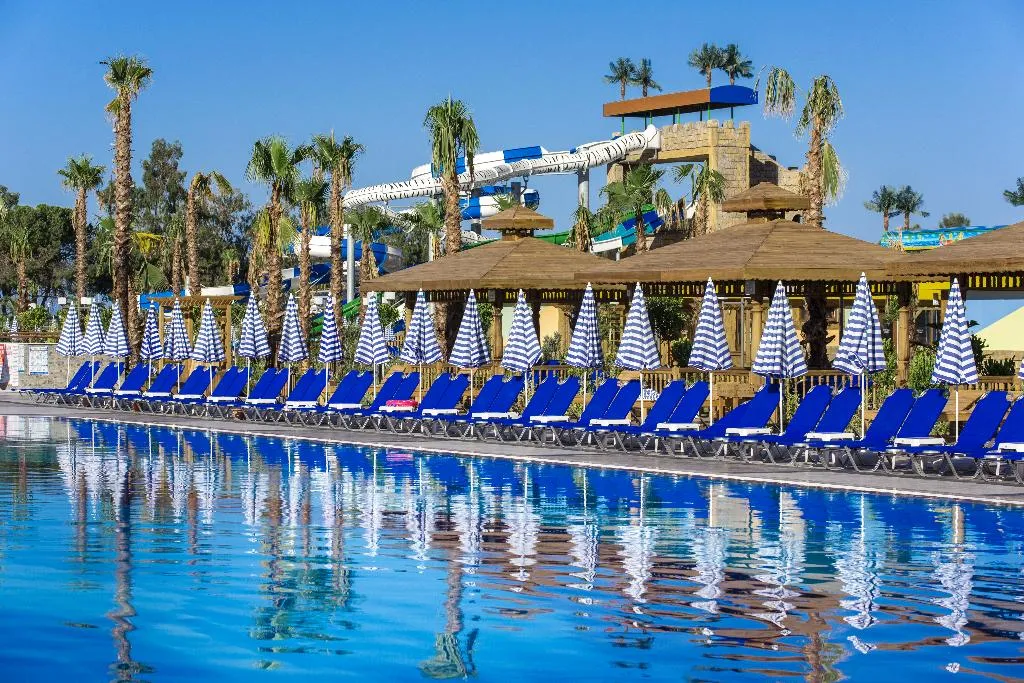 LGW • 7 nightsAI · Broadway Travel
1. Lisbon: best for colourful streets, food and big views
Lisbon feels made for that first blissful hour after dropping your bag: tiled façades, little cafés, trams rattling around corners and sudden views of the Tagus. Spend your first afternoon in Baixa and Chiado, then explore Alfama and its stairways when you have comfortable shoes and time to wander.
Our two-night idea: on arrival, enjoy the riverfront and a sunset viewpoint. On your full day, walk Alfama and Graça, stop for a long lunch, then explore a second area rather than sprinting around the whole city. If you want Belém's monuments, make it a deliberate half-day rather than a hurried detour between meals.
The tip tourists often miss: tram 28 is part of the experience, but you do not need to spend your entire precious weekend queuing to ride it. Walk a stretch of its route through historic neighbourhoods and enjoy the cafés and viewpoints along the way. Portugal's tourism board describes the tram's route through Graça, Alfama and the centre in its official Lisbon tram guide.
Where to stay: Baixa or Chiado for a central base; Alfama for atmosphere if you are happy with steps, cobbles and potentially tricky luggage access. Lisbon's hills are charming until you discover your hotel is apparently halfway up a climbing wall.
Worth checking: the official Lisboa Card benefits cover various public transport and sightseeing options. Do the maths against your actual plans rather than assuming a tourist pass always saves money.
2. Kraków: best for history, food and an easy-to-explore centre
Kraków is a very persuasive first weekend break if you enjoy exploring on foot. Start with Rynek Główny, the enormous main square, then stroll towards Wawel Hill and the streets around Kazimierz. The historic centre, Wawel complex and Kazimierz are recognised by UNESCO, which gives you some idea of how much history is packed into a manageable area.
Our two-night idea: use your arrival evening for the main square and a Polish dinner. Spend your full day walking from the old town towards Wawel, then continue to Kazimierz for cafés, galleries and an evening meal. On your final morning, fit in one museum or a relaxed breakfast, not a panic-fuelled tour of seven attractions.
An unusually useful airport detail: Kraków Airport has a rail station beside the terminal, connected by a covered footbridge, with services to Kraków's main station. Check the airport's official train information and timetable for your travel date. This can make arrival much more straightforward than negotiating an unfamiliar road transfer.
Where to stay: the old town for landmarks close by, or Kazimierz for a different evening atmosphere. Read recent reviews for noise if your room faces a busy bar street.
A thoughtful caution: Auschwitz-Birkenau is an important memorial, not a casual attraction to squeeze between brunch and cocktails. If visiting is a priority, check the memorial's official arrangements and allow it the time and respect it deserves. A two-night stay may be better devoted to Kraków itself, with the memorial on a longer trip.
3. Seville: best for sunshine, tapas and spectacular architecture
Seville is the city for people who want every walk to end in a beautiful square and every lunch to turn into a small occasion. Its headline sights include the Real Alcázar, the cathedral and the Plaza de España. But Triana's streets, little tapas bars and unhurried evenings are just as important to the experience.
Our two-night idea: settle into Santa Cruz or El Arenal on your first evening. Pre-book one major attraction for the following morning, enjoy a proper lunch, then make time for Plaza de España and the adjoining park. Cross towards Triana for another evening rather than stacking every church, palace and museum into one exhausting day.
A practical arrival advantage: Seville Airport's EA bus serves the city. Check the latest airport bus route and timetable against your arrival and return flights before booking your hotel.
Where to stay: Santa Cruz for historic surroundings, El Arenal for central convenience, or Triana if neighbourhood life is a bigger attraction than being a few steps from the cathedral. The Spanish tourism board's Seville guide helps with the main sights and transport.
When not to go: if you dislike serious heat, think carefully before choosing high summer. Sightseeing in Seville should feel like a holiday, not an endurance competition against the sun. For seasonal ideas, see Best Months to Visit Spain.
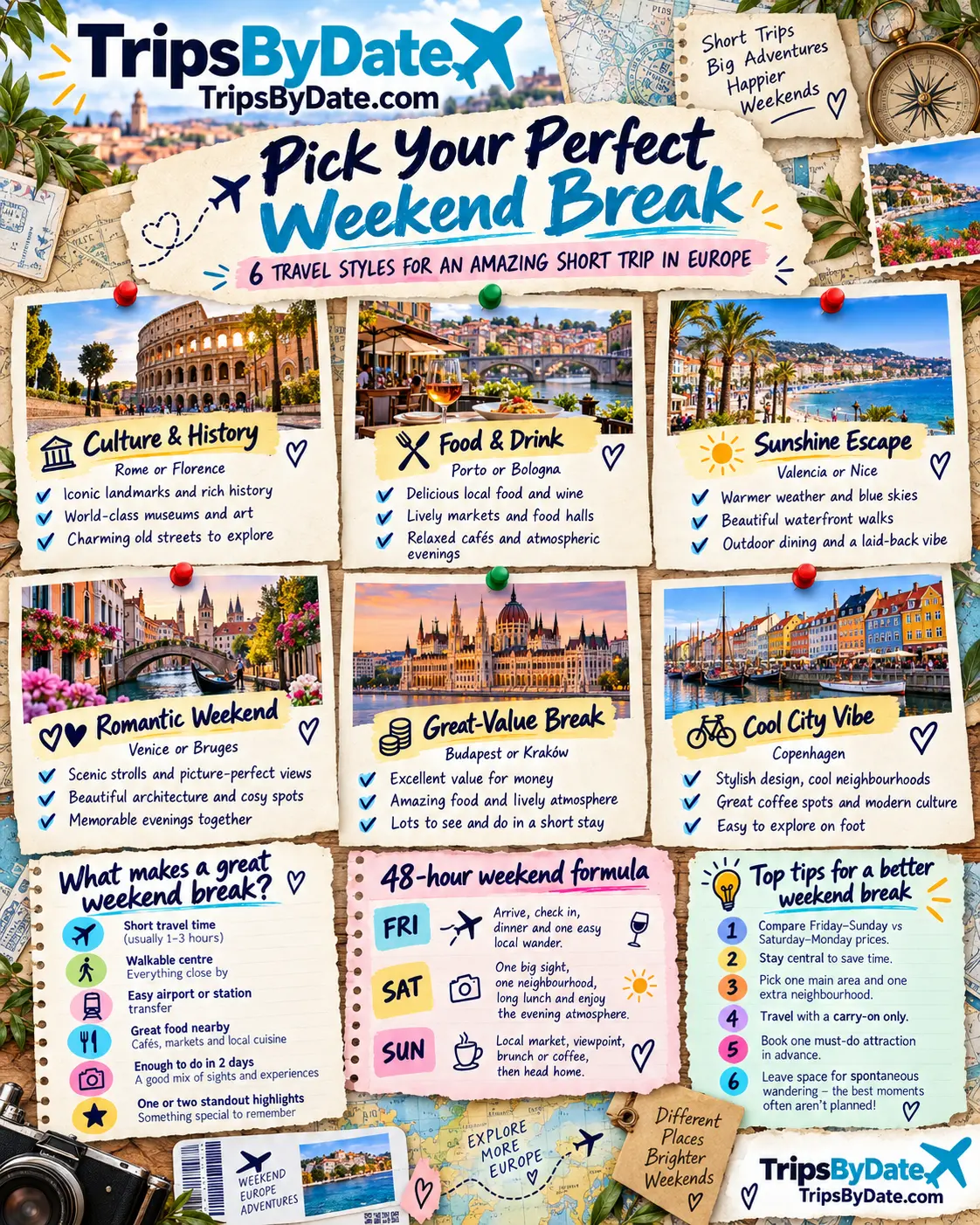
Six more weekend styles worth trying
4. Porto: the weekend built around lunch
Porto rewards a slower approach. Walk down towards Ribeira, admire the river and bridges, then take your appetite seriously. An interesting alternative to another sightseeing queue is Bolhão Market, a restored city market with fresh produce, traders and places to eat. Go while it is operating, not as a late Sunday surprise. For a short stay, central Baixa or the streets around São Bento make useful areas to investigate.
5. Bologna: a delicious rainy-day winner
Bologna is excellent for a weekend devoted to pasta, markets and beautifully lived-in streets. Its famous porticoes mean that even a damp day can be a pleasure. UNESCO recognises 12 representative sections of a network stretching for approximately 62 kilometres across the city. See the official Bologna porticoes guide. Skip the pressure to do a long day trip: Piazza Maggiore, Santo Stefano and a lingering lunch are plenty for one lovely day.
6. Valencia: a city break with room to breathe
Valencia offers a different rhythm from the narrow-lane city classics: its historic centre, Turia Gardens, striking modern architecture and beach all give you options. Visit the Central Market if it is open, explore the former riverbed park and choose either a beach afternoon or a museum, rather than trying to do both at opposite ends of a tight schedule. The official Valencia tourism guide highlights the market, old town and Turia route.
7. Bruges: romance without the rush
Bruges is lovely for canal-side walks, chocolate shops and an evening when the day-tripper crowds have thinned. Its entire historic centre is UNESCO listed, according to Visit Bruges. Here is the unusual weekend tactic: stay overnight rather than treating Bruges as a quick excursion. You get early mornings and quieter evenings, which are often the moments that make the trip. Compare rail connections and the full door-to-door journey against flights.
8. Copenhagen: neighbourhoods over a checklist
Yes, see the waterfront and colourful Nyhavn. Then leave time for Nørrebro, with its independent shops, diverse food and lively streets. Visit Copenhagen's Nørrebro guide suggests streets such as Jægersborggade and Blågårdsgade. Consider cycling if you are comfortable with local rules, but walking and public transport work too. Copenhagen can be expensive, so plan a food budget instead of discovering that your spontaneous brunch costs more than the flight.
9. Budapest: thermal baths and a beautiful skyline
Budapest is ideal when you want a mix of grand architecture, riverside views and a genuine reason to slow down. Pick one thermal bath and check its official ticketing, entry rules and opening hours; the experience is much nicer when it is not wedged between five other bookings. A Danube-side walk after dark can be memorable without needing an expensive organised activity. Keep enough time to explore both Buda and Pest, but avoid treating each bank as one small neighbourhood.
Three special-occasion alternatives
Florence: choose it for art, architecture and a slow evening on the Arno. Reserve major museum visits through official channels and resist spending every waking hour indoors. Nice: choose it for markets, old-town streets and the Promenade des Anglais. The beach is often pebbly rather than sandy. Venice: choose it for the atmosphere, bridges and quiet canals away from the main visitor routes. Confirm current entry or access arrangements through official city information before going, since visitor rules can change.
For a romantic trip, the most useful luxury might be an extra hour together rather than another expensive attraction. If you're still deciding when to travel, explore our Holidays by Month guides for seasonal differences across Europe.
Know when you can travel?
Start with your departure airport and available dates, then discover package holidays across destinations without choosing a city first.
Explore holidays by dateThe 48-hour weekend formula that actually works
Friday: aim for a flight and transfer that leave time for a pleasant evening. Have one dinner area in mind, not five restaurant reservations. If arriving late, stay somewhere with a straightforward route from the airport.
Saturday: book one major experience for the morning. Spend the afternoon in a neighbouring district, enjoying lunch, shops, a market or a viewpoint. Leave the evening free enough for a recommendation from someone you meet.
Sunday: choose a gentle local activity near your accommodation, collect your bag and head home with a generous airport buffer. Double-check whether your hotel can store luggage after checkout.
The 48-hour trap: Friday-to-Sunday does not always mean two usable days. A 10 p.m. arrival and a 7 a.m. return can leave you with little more than Saturday. Compare Friday-to-Sunday with Saturday-to-Monday if your schedule allows; the best option depends on real flights, accommodation and leave from work.
Seven clever ways to get more out of a short break
- Calculate holiday hours, not just holiday nights. Compare the time between arrival in the centre and departure from the centre. A slightly more expensive flight can buy you half a day of exploring.
- Set a transfer budget in minutes. For a two-night trip, a cheap hotel with a complicated airport transfer or a remote location can be a false economy.
- Book near the evening you want. If food and atmosphere are the main draw, choose a walkable neighbourhood with restaurants rather than the cheapest anonymous business hotel.
- Look up Sunday and Monday closures. Famous markets, independent restaurants and museums do not all open every day. Plan the one thing you would hate to miss for a confirmed opening slot.
- Try a one-neighbourhood challenge. Pick a smaller area you know nothing about and spend a few hours there. A good bakery, odd little shop and local square can beat a crowded attraction queue.
- Keep one weather-proof plan. Rain should change the afternoon, not ruin the holiday. Bologna's porticoes, a museum or a proper long lunch can be a feature rather than a compromise.
- Save your last morning. Do not schedule an attraction across town just before leaving. A relaxed breakfast and an easy journey home make the weekend feel longer than one final frantic sprint.
One more thing: check whether cabin baggage is included in your fare and what the actual airline dimensions are. Packing light can speed up airport movement, but buying essentials again because your bag was too tiny is not a saving.
How to compare the real cost of a European weekend break
A cheap flight does not necessarily make a cheap break. Compare the whole trip: flights or package price, cabin or hold luggage, airport travel at both ends, hotel location, local taxes, transfers, meals and the activities you care about. A hotel £30 cheaper per night but two expensive taxi rides away from the centre may cost you more in cash and time.
Illustrative example, not a live quote: Hotel A costs £90 per night for two nights, plus £25 per day in extra travel. That is £230 before meals. Hotel B costs £110 per night but is walkable for your plans: £220. The supposedly dearer central hotel is £10 cheaper overall, and your feet will probably thank you.
When comparing package holidays, check what flights, hotel, bags and transfers the individual offer actually includes. Do not assume every advertised package has identical extras. For UK financial protection, consult the Civil Aviation Authority's ATOL guidance and check the protection details of the particular booking. For broader saving ideas, see Cheapest Months to Go on Holiday.
Important practical checks before travelling from the UK
For British passport holders, European entry requirements can differ by country and travel purpose. The UK government's Schengen travel guidance explains the usual visa-free 90-days-in-180 rule and passport requirements. Always read the specific destination's current FCDO advice before booking, including any entry system changes or local conditions.
Also check your airline's check-in deadline, airport-to-city transport for late arrivals, Sunday service levels, travel insurance and any mobility considerations. Walkable on a map does not always mean step-free: Lisbon's hills, Bruges' cobbles and old European buildings can surprise travellers with heavy luggage or limited mobility.
Frequently asked questions about European weekend breaks
What is the best European city for a two-night break?
Kraków is an excellent contender for a compact, history-filled weekend, especially when the flights and airport train work for your dates. Lisbon and Seville are superb alternatives for a different atmosphere. There is no single best city for everyone.
Where should couples go for a romantic weekend in Europe?
Bruges and Venice are atmospheric choices for waterside walks, while Florence suits art lovers and Lisbon adds lively restaurants and sunset viewpoints. Consider the experience you share, not just the postcard scenery.
Which European weekend breaks are good for food lovers?
Bologna and Porto are particularly rewarding choices for a trip built around markets, long lunches and local food. Seville is brilliant for tapas, while Kraków offers traditional Polish cooking and café culture.
Are European weekend breaks cheaper if you fly on Saturday?
Not necessarily. Compare Friday-to-Sunday and Saturday-to-Monday using real prices, including hotel costs and your usable hours at the destination. Flight prices depend on the route, date and availability, not a universal cheap-day rule.
Is two nights enough for a European city break?
Yes, if you choose one main area and have workable flight times. Two nights are enough for a memorable introduction, not for seeing every attraction. If you want several museums or excursions, three or four nights may feel more relaxing.
Is it better to book flights and hotel together?
It depends on the actual offer. A flight-and-hotel package can simplify booking and may offer protections depending on its structure. Separately booked travel can sometimes provide more choice. Compare the full cost, inclusions, terms and protection rather than assuming either approach always wins.
How do I find weekend holidays from my local UK airport?
Start with your nearest useful departure airport and the dates you can travel, then browse the destinations actually available. TripsByDate is built around that date-first approach, helping you discover advertised package holidays without running the same search country by country.
More TripsByDate guides to explore
Browse the Short Breaks & Weekend Holidays hub, find out when European cities are most enjoyable, explore when to visit Portugal or compare Spain's seasons. For an entirely different kind of short escape, see our short ski-break ideas.
Our final tip: choose the break that fits your real life. A beautiful destination is lovely; a beautiful destination with a practical flight home on Sunday is even better.
‹ BACK TO SHORT BREAKSKnow when you can travel?
Choose your UK departure airport and free dates, then explore upcoming package holidays. Less searching. More choosing.
Find holidays by date