

Best Budget Beach Holidays in Europe | Beautiful Beaches for Less
Big beaches, hidden coves and little seaside towns worth falling for. Find the right coast for your budget, your travel dates and the way you love spending a beach day.
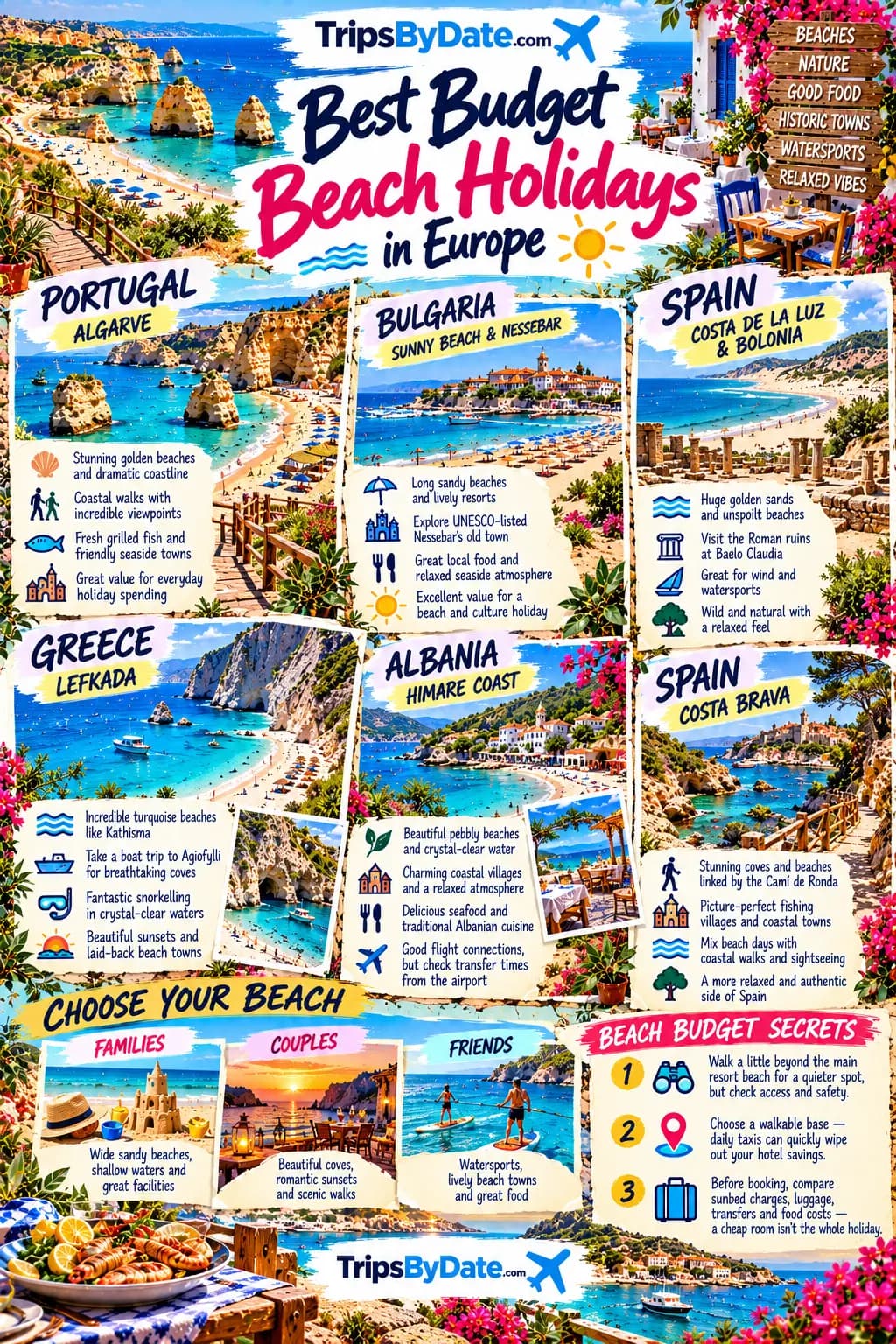
There are two kinds of beach holiday. The first begins with a turquoise photograph and ends with an invoice for sunloungers, taxis, parking, three suspiciously elaborate smoothies and a boat trip you were too polite to refuse. The second gives you the same salty hair, sand between your toes and spectacular sunsets, but leaves money for a delicious dinner. If you are hunting for the best budget beach holidays in Europe, the trick isn't simply to find the cheapest hotel. It is to find a stretch of coast you will genuinely enjoy without having to pay to enjoy it.
Quick answer: Start by comparing the Algarve in Portugal, Bulgaria's Black Sea coast, Spain's Costa de la Luz and Costa Brava, and selected Greek islands. They offer very different combinations of sand, coves, food, activities and package-holiday availability. For less obvious possibilities, look at Lefkada, Albania's Himarë coast, Costa Cálida, Thassos and Ulcinj in Montenegro. These are places to investigate, not verified cheapest offers: the best-value beach for you depends on the flight, the hotel, the season, your preferred airport and the cost of getting around.
And you don't have to decide which beach you want before you start. Open TripsByDate, choose your UK departure airport and browse holidays by the dates you can actually travel. A destination you had not considered may appear beside a familiar favourite. Come back regularly to see changing listings, then inspect the hotel location, final price, flights and what's included directly with the provider. Think of TripsByDate as a quick, date-first discovery tool, not a guarantee that every beach or every seller will appear.
The real secret: choose the right beach before choosing the cheapest hotel
A brilliant beach is not necessarily a brilliant budget beach holiday. One traveller wants shallow water and toilets beside the promenade. Another wants to hike to a tiny rocky cove with nothing but cicadas for company. A third wants a beach bar where the music starts before lunch and the afternoon mysteriously disappears. Give all three the same hotel and at least two will complain.
A more useful shortlist has five questions:
- What will you actually do every day? Swim, build sandcastles, snorkel, paddleboard, read, walk between coves or visit historic towns?
- How much does it cost to reach the beach? A cheap inland room might demand a hire car, parking and petrol. A modest hotel within walking distance may be the bargain.
- Is the shore right for your group? Soft sand, pebbles, steep steps, strong surf, shade, lifeguards and accessible paths are not interchangeable details.
- What happens after sunset? A beach can look glorious at noon yet leave you paying for taxis to find dinner.
- Is there something interesting beyond the sunlounger? A working harbour, old town, market or coastal trail gives you free or inexpensive alternatives when you've had enough sunshine.
The best-value beach is often the one with enough free things within walking distance to fill a week. That's a different question from which country's drinks are cheapest. Our guide to Europe's lower-cost holiday countries explains why the full trip matters more than a bargain café bill.
Six European beach regions worth putting on your shortlist
These are choices with distinct strengths, not a supposedly scientific cheapest-to-most-expensive ranking. Availability of package holidays from the UK and the final total should be checked for your dates.
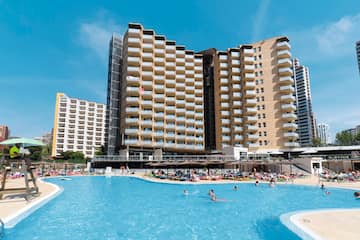
 BFS • 3 nights
 FB · TUI


 EDI • 7 nightsAI · Thomas Cook
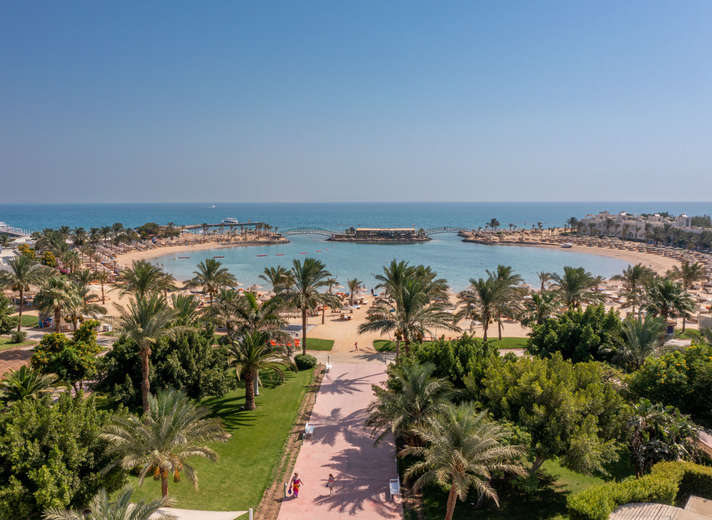 BHX • 3 nightslastminute.com
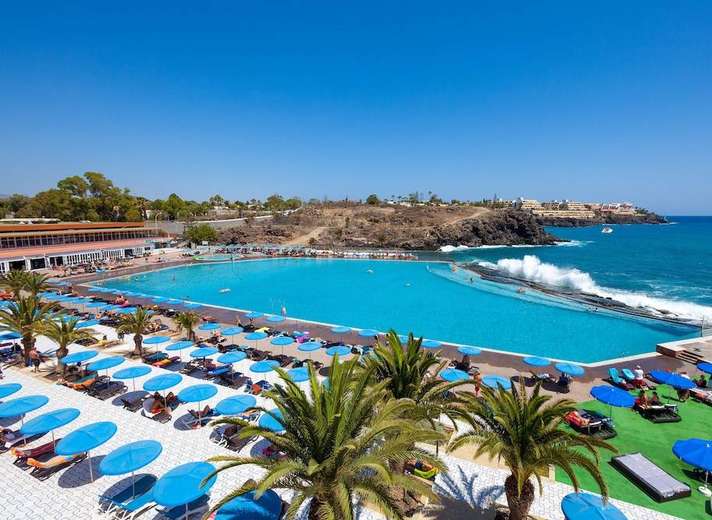 EMA • 3 nightslastminute.com
1. Algarve, Portugal: dramatic coves, cliff walks and beautiful fishing towns
Best for: couples who love exploring, families choosing an easy base, photographers and anyone who wants more than a hotel pool.
The Algarve is not one single beach experience. Around Lagos and Lagoa, cliffs shelter golden coves and create magnificent walking routes. Further east, Tavira and the Ria Formosa offer a gentler coastal landscape with islands, lagoons and wildlife. In between are familiar resort towns with straightforward holiday infrastructure. That's good news for value hunters: you can compare different bases instead of assuming the most photographed cove is where you must sleep.
The clever move: choose a town you enjoy in the evening, then treat headline beaches as day trips. A base with supermarkets, bakeries, buses and local restaurants can be more satisfying than an isolated cliff-top hotel whose restaurant is your only practical dinner option. The official Algarve nature-tourism guide provides ideas for coastal walking and natural attractions; follow current signage and stay well back from cliff edges and sinkholes.
Something worth doing: follow an appropriate part of the Seven Hanging Valleys coastal walk, admire the rock formations from safe viewpoints, then find grilled fish, cataplana or a simple bakery lunch. You don't need to book an expensive boat to appreciate the coastline. If you do book a cave trip, verify the operator, departure point, sea conditions and any access restrictions. And remember, those towering cliffs are beautiful partly because nature has not agreed to make them convenient.
Watch out for: limited beach parking, steps to some coves, busy famous beaches in peak summer, and Atlantic water that may feel cooler than the postcard suggests. Our Algarve winter sun guide is useful if you're considering travel outside the classic beach season.
2. Bulgaria's Black Sea: long sandy days with a remarkable old town nearby
Best for: families, friends who prefer a lively resort, and beach lovers who want history within easy reach.
The area around Sunny Beach and Nessebar is a strong candidate to compare for traditional flight-and-hotel packages. It combines long stretches of sand, plenty of accommodation and restaurants with one genuinely special cultural outing. Old Nessebar sits on a peninsula, its history running through ancient settlements, Byzantine churches and traditional houses. The UNESCO World Heritage listing explains why its old town is much more than an afternoon souvenir stop.
Try this: enjoy the beach in the morning, then visit Nessebar's lanes and waterfront when you want a change of pace. Explore the streets, admire the churches and stop for grilled fish or a local salad. You don't have to buy an attraction ticket every hour to have a lovely day.
Spend wisely: compare a lively beachfront hotel with a quieter base and check the actual walking or bus route. If you plan to eat out each evening, half-board may be unnecessary. If you're travelling with hungry children who treat a buffet like competitive sport, a suitable meal plan may make the week easier. Assess it against your real habits, not the word 'inclusive' in a brochure.
The catch: an advertised Bulgarian resort bargain may be tied to a particular season and flight schedule. Some businesses operate seasonally. Check your departure dates and recent reviews for the period you are travelling, rather than judging a spring holiday by midsummer photographs.
3. Costa de la Luz, Spain: room to roam, wind in your hair and Roman history
Best for: couples who like open beaches, independent explorers, surfing enthusiasts and anyone seeking a different Spain from the usual resort strip.
Spain's Atlantic coast around Cádiz, Conil, Zahara de los Atunes and Bolonia offers broad sandy beaches, whitewashed towns and a more spacious feel in many places. Bolonia has a striking dune and the Roman archaeological site of Baelo Claudia close to the shore. Spain's official tourism website identifies its wind and waves as important features, which is a useful warning if you're choosing a beach primarily for gentle paddling. See the official Bolonia beach information.
One standout day: go for a beach walk, admire the dune without disturbing protected areas, investigate Roman history and find a relaxed seafood lunch. That's a far better story to take home than 'we sat beside the hotel pool every afternoon and argued about umbrellas'.
The genuine trade-off: Atlantic wind can be wonderful for water sports and maddening for a delicate beach picnic. A quiet photograph does not guarantee calm swimming. Also, the most beautiful less-developed stretches may have fewer restaurants, less shade and more reliance on a car. Price your flights, accommodation and transport together before deciding this coast is cheaper than a familiar package resort.
4. Lefkada, Greece: impossible-looking blue water, but check the journey down
Best for: confident explorers, couples, snorkellers and people prepared to work a little for extraordinary scenery.
The Greek island of Lefkada is famous for cliffs above dazzling blue water. Kathisma is a more developed, social option with beach facilities; Agiofylli can be reached by boat from Vasiliki; the famous western beaches can involve significant steps, steep approaches or changing sea conditions. Visit Greece's detailed Lefkada beach guide is especially useful because it distinguishes between beaches rather than pretending they all offer the same easy access.
Our favourite budgeting idea here: don't drive around trying to tick off every famous beach. Choose one comfortable, easy day, one spectacular adventure and one local-village evening. More miles, more parking and more roadside snacks do not automatically mean a better holiday.
For travellers needing easier access: the official tourism guide notes beaches with accessibility equipment on the island's eastern side. Check the specific installation, its seasonal availability and suitability before relying on it. A cove with a hundred beautiful steps is not a practical recommendation for every traveller.
Reality check: Lefkada is worth investigating for its beaches, but it is not automatically the cheapest Greek island to reach from every UK airport. Flight routes, transfers and whether you need a car are key parts of the decision.
5. Albanian Riviera: beautiful water, village evenings and an important transfer calculation
Best for: curious couples, adventurous friends and travellers happy to trade polished resort predictability for a more independent feel.
Around Himarë, Dhërmi and nearby coastal villages, southern Albania offers dramatic mountains, pebbly bays, clear-looking water and the chance to enjoy local cafés and seafood. It can feel like a discovery, especially if you normally return to the same Spanish resort. But an affordable meal at your destination does not automatically translate into an affordable or convenient package from Britain.
The overlooked calculation: how do you actually get from the arrival airport to your beach hotel? Compare the whole journey, including possible long transfers, late arrival, road travel and the cost of hiring a driver or car. A lower accommodation bill can disappear into transport costs. UK government travel advice for Albania also highlights road-driving risks and cautions around some water-sports operators, so book carefully and check current advice.
Make the trip special: choose an attractive village base, swim at a suitable beach, sample regional grilled fish and vegetables, and explore nearby scenery at a sensible pace. Avoid building a holiday that requires a heroic drive to a different Instagram location every morning. The point is to be on holiday, not to audition for a rally championship.
Be honest about access: some beaches have pebble shores, limited facilities or difficult last sections. Ask your accommodation about the actual beach route, not merely the straight-line distance on a map. Package availability may be much thinner than in Spain or Portugal.
6. Costa Brava, Spain: picturesque coves connected by seaside paths
Best for: couples, walkers, food lovers and travellers who enjoy small fishing towns rather than enormous resort complexes.
The Calella de Palafrugell, Llafranc, Palamós and Begur area blends tucked-away coves, village restaurants and attractive coastal scenery. The famous Camí de Ronda coastal paths are a huge part of the appeal. Spain's official Camí de Ronda guide makes clear that sections can be uneven, narrow and steep: this is not a continuous level promenade.
The value trick: pick a base that gives you a lovely village and a beach on foot, then use the coastal path for your scenic 'excursion'. Bring water and sturdy footwear. Finish with a market visit, local seafood or a simple café stop. You can have a rich day without purchasing a boat cruise or beach-club package.
What to watch: pretty coves are often small, and famous ones fill quickly. The charm of the area is real, but so is the possibility of high summer demand and expensive waterfront dining. Compare towns and travel dates, and don't confuse a budget holiday with a guarantee of low prices everywhere on the coast.
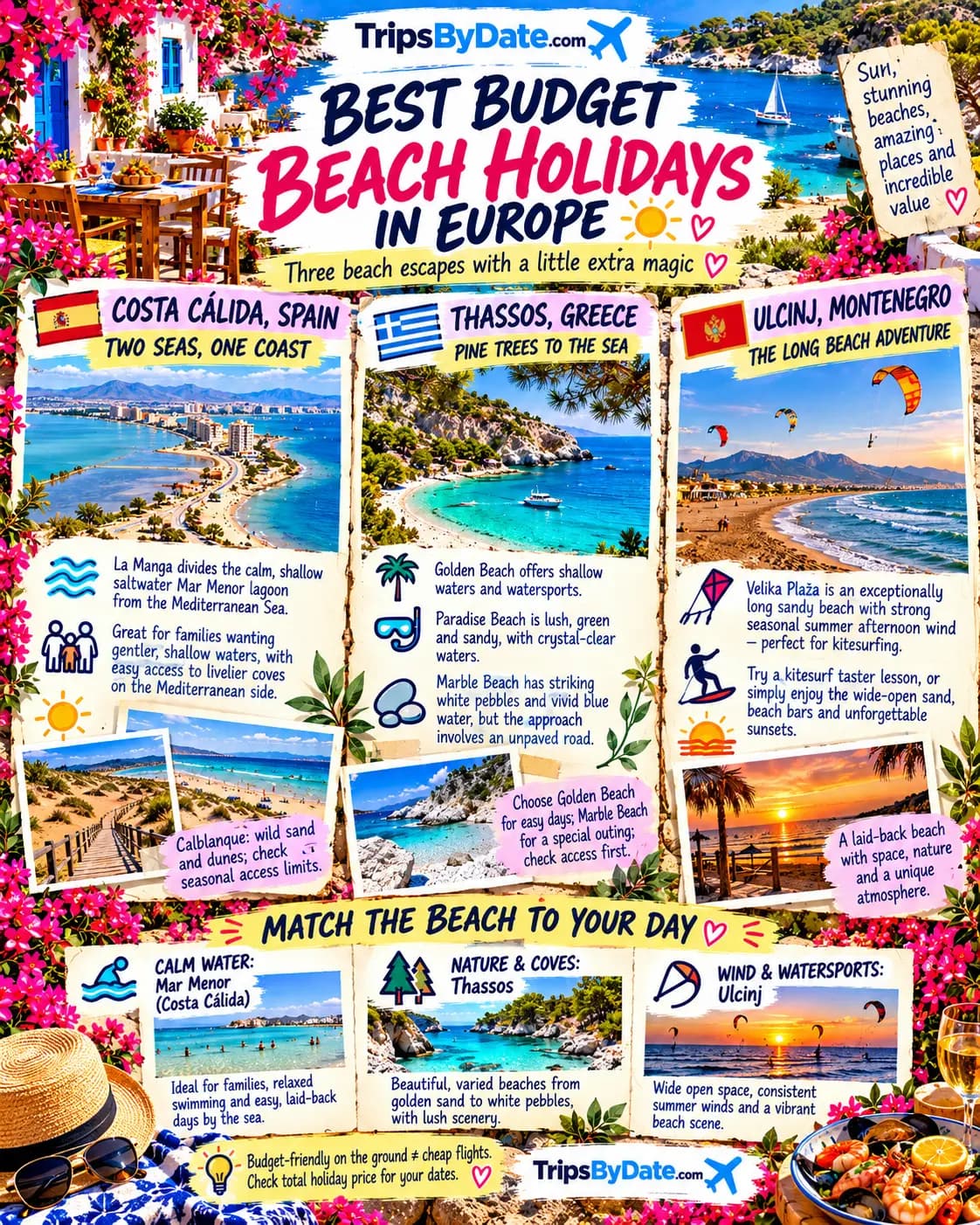
Three wildcards for beach lovers who are bored of the obvious shortlist
This is where the search gets interesting. Not necessarily cheaper, not guaranteed quiet, but distinct enough to give a beach holiday a completely different personality.
Costa Cálida, Spain: two very different bodies of water in one holiday
La Manga separates the Mediterranean from the Mar Menor lagoon. That creates an unusual choice: open-sea beaches on one side and lagoon beaches on the other. It is especially interesting for families and travellers who prefer a less wave-exposed setting, but do not assume every lagoon beach is always safe or suitable for swimming.
The Mar Menor has experienced serious environmental pressures. Murcia's official bathing-water monitoring portal publishes testing information. Check the current beach-specific advice before entering the water, particularly after unusual weather or any official warning. Never substitute an attractive photograph for bathing-water information.
For a more natural Atlantic-style feel without actually leaving the Mediterranean, consider Calblanque, a protected coastal landscape with low development and limited facilities. Spain's official Calblanque beach guide is a useful starting point. Access arrangements can be regulated seasonally, so check ahead rather than assuming you'll park beside the sand.
The secret here: choose your beach according to the day's conditions and your group, not simply the shortest drive. A pretty, exposed nature beach and a managed family beach can both be excellent, for completely different reasons.
Thassos, Greece: pick the easy golden beach or the striking marble pebbles
Thassos is a pine-covered Greek island with beach choices that are strikingly different. Golden Beach offers an organised sandy setting with facilities, while Saliara, often called Marble Beach, has white pebbles and turquoise-looking water but involves less straightforward access. Greece's official Thassos beach guide spells out the differences, including dirt-road access for Saliara and paid services at organised beaches.
It's a brilliant example of why a beach ranking is not a decision. A family with small children may enjoy the convenience of Golden Beach; a couple might fancy Saliara as a special outing. Neither needs to spend the entire week pursuing the other beach's ideal.
Budget caveat: Thassos normally involves an additional transport leg, such as a ferry from the mainland. Include that in the trip cost and timings. The beautiful beach is free to admire; the logistics are not always free to arrange.
Ulcinj, Montenegro: enormous sand and a completely different reason to love wind
On Montenegro's southern coast, Velika Plaža, or Long Beach, gives you space on a scale that small rocky Adriatic coves simply cannot. The local tourism organisation promotes the area for kitesurfing because of seasonal winds. Ulcinj's official guide confirms why wind sports are a defining part of the destination.
This makes it exciting for friends who want lessons and active days, or couples who enjoy wide beaches and less conventional coastal towns. But do not recommend it to someone who wants flat, mirror-still water every afternoon. Wind is a feature for one traveller and a sand-in-the-sandwich crisis for another.
Spend intelligently: a professional beginner lesson may be worth the money, but equipment, safety and the instructor's qualifications matter more than shaving a few pounds off the price. Check travel and airport transfers carefully. The long drive along the coast during busy periods can also add time, as the UK's Montenegro travel guidance warns.
Your next favourite beach might not be the one you searched for
Choose your UK airport and free dates on TripsByDate. Browse changing package-holiday possibilities, discover unexpected coasts and check the operator's full price before booking.
Find holidays by dateWhat makes a beach holiday genuinely good value?
A holiday isn't good value just because the first search result has the smallest number. Here's a more useful way to think about it.
The hotel location test: one free evening walk can save a small fortune
Imagine two hotels. One has an impressive pool and a low headline price but is a long taxi ride from every restaurant, beach and shop. The other is less flashy but is five minutes from the sand, a bakery, a local bus stop and a pleasant town square. For a week, the second may be the more enjoyable and less expensive choice.
Look for a real walking route on a map. 'Near the beach' can conceal a steep hill, busy road, private access barrier or a kilometre of stairs. Check guest photographs, street view when available, and seasonal reviews. If accessibility matters, contact the property and ask for the actual route and gradients.
The sunlounger equation: where will your money disappear daily?
Beach clubs and rows of rented loungers can be wonderful, especially if you want comfort and shade. But if your plan involves paying for two loungers, an umbrella, several drinks and lunch every day, the cost becomes a major part of your holiday budget.
Find out where public beach areas are, whether your own umbrella is permitted, which services are optional and whether any concessions have minimum spends. Rules differ by destination and can change. You might happily pay for a comfortable beach-club day once, then spend the other days on the public sand with snacks and a good book.
The food test: breakfast included or a bakery round the corner?
If you adore getting out early, a locally run café and supermarket might beat hotel breakfast for flexibility. If you're travelling with children who wake up ravenous, a good breakfast-included deal could be a lifesaver. If you plan to lounge beside the pool and drink the resort dry, all-inclusive deserves a fair comparison, but read exactly what's included and when restaurants operate.
Look beyond the beach-front first row for restaurants, bakeries and local lunch menus. In many resorts, a simple lunch away from the main promenade makes the budget feel far more generous. But avoid treating 'eat where locals eat' as a magic formula: tourist destinations have plenty of expensive local-looking places too. Read the menu before sitting down.
For a more detailed look at the trade-offs, see our knowledge guide on all-inclusive versus self-catering.
The transport test: when is a hire car worth it?
A hire car can turn a standard resort week into an adventure through villages, remote coves and coastal viewpoints. It can also turn into a very expensive place to store your beach towels.
Do the calculation: hire fee, insurance excess and cover, deposits, fuel, tolls, parking, child seats and any one-way restrictions versus the cost of local buses, organised day trips or an occasional taxi. One or two car-hire days may be better than paying for seven. Check whether the beaches you want are actually accessible by vehicle and whether parking is restricted.
If you're considering a more remote coast, our guide to comparing airport and transport costs helps keep the comparison fair.
The best cheap beach isn't necessarily a secret beach
The phrase 'hidden beach' sounds irresistible. Sometimes it means a glorious little cove with clear water and nobody selling inflatable flamingos. Sometimes it means there is no lifeguard, no shade, no phone signal, nowhere to buy water and a downhill path that turns into a mountaineering examination on the way back.
A good beach-day plan begins with the kind of beach day you want, not the number of people you hope to avoid.
Want a quieter beach? Change the time, not necessarily the country
Try a popular, well-served beach early in the morning. You may get wonderful light, space to wander and a peaceful breakfast before the crowds arrive. Or enjoy the beach later in the day when the peak visitors begin leaving, provided conditions and your return transport are suitable.
Another useful trick is to stay in a town adjacent to a famous resort. You may enjoy many of the same beaches and services without living directly beside the busiest nightlife. This is not a guaranteed money saver, so compare actual hotel prices and travel time.
Need a calm swim? Stop judging by the colour of the sea
A turquoise cove can have a steep drop-off. A broad sandy beach can have strong currents. A sheltered lagoon can have water-quality concerns. All three can look equally inviting in photographs.
Use official local bathing information and lifeguard advice. Europe's bathing-water map from the European Environment Agency is a valuable starting point for monitored sites, though bacteriological quality is only one part of swimming safety. It does not tell you today's waves, currents, jellyfish or whether a specific beach is lifeguarded.
Our rule: clean-looking water is not proof of safe water, and an empty beach is not proof of a safe beach. Check local flags and warning signs, and never swim where authorities advise against it.
Need accessibility? Ask better questions than 'is the beach nearby?'
Does the promenade have steps? Can a wheelchair reach the actual sand or water? Are there accessible toilets, beach wheelchairs, ramps or seasonal assisted-bathing services? Is parking available close enough? Is the return route uphill?
Some destinations are investing in access equipment, but facilities vary by beach and time of year. For anyone with mobility needs, the exact stretch of beach and hotel location matter much more than a broad country recommendation. Contact the destination or tourist office before booking a holiday around a facility that may be seasonal.
Match the beach to the people travelling
Families: make a good beach day easy to repeat
For families with younger children, the winner is often a sandy, managed beach with toilets, shade, a short walk from the hotel and somewhere affordable for lunch. The most dramatic remote cove may be marvellous for twenty minutes and exhausting for the rest of the afternoon.
Ask about lifeguard coverage, swimming flags, water entry, changing facilities and how much time is spent on the transfer. If the family also wants culture, Nessebar or a town-based Costa Brava holiday can mix sandcastles with old streets. For beach holiday ideas by UK airport, see family departures from UK airports.
Couples: go for the village, the food and the second story
A memorable couples' beach escape might feature a gorgeous bay and somewhere lovely to spend the evening. That could mean an Algarve fishing town, a Costa Brava village or a Greek island with a harbour to wander.
One good day's outing, a long seafood lunch and a sunset stroll can be more romantic than a pricey sea-view upgrade you barely use. If you care about quieter evenings, check nearby nightlife rather than assuming a stylish hotel means silence.
Friends: decide whether the holiday is active, lazy or lively
You might want paddleboarding, surf lessons, beach bars, boat trips or simply to sit together doing nothing more strenuous than discussing what to order next. Agree on the mood before someone books a remote apartment for a group that expected nightlife.
Check how many real beds the room contains, whether taxis will be needed every night and whether activities suit everyone's budget. For those chasing wind sports, Ulcinj could be a fascinating alternative; for food and coastal walking, Costa Brava may be a better fit. Explore our short-break guides if you are considering fewer nights.
Solo travellers: a great beach means freedom beyond the hotel
A walkable town, dependable public transport, an easy route to cafés and organised day trips may matter more than the cheapest isolated accommodation. Check solo occupancy charges and whether the package headline assumes two people sharing.
And don't overlook a destination with a proper old town: it gives you interesting things to do when you want a change from swimming and reading.
When should you travel for better-value European beach holidays?
The answer is not 'always September' or 'never August'. School-holiday demand, local seasons, flight schedules, festivals, weather and hotel availability all influence the actual price. Often late spring and early autumn are worth comparing for Mediterranean coastlines, but some seas are cooler earlier in the year and some seasonal services close later in autumn.
The Atlantic coast of Portugal and western Spain can offer excellent walking and sightseeing outside midsummer, yet that doesn't guarantee warm water or reliably calm beach days. Bulgaria's Black Sea resorts are much more seasonal. Greece varies substantially between islands and months. Compare weather that suits your intended activities, not just a destination's average sunshine.
If dates are flexible, use the cheapest months to holiday guide as a starting point, then browse real departures. If you have fixed leave dates, TripsByDate is especially useful because you can discover destinations that happen to fit rather than forcing one resort to fit your calendar.
One clever tactic: search for the beach, then search for the base
Start with a beach region you love. Now draw a rough circle around it and investigate other towns within a practical journey. A resort one bay away, a station town inland or an apartment near an accessible bus route might offer a better total holiday, without losing your dream beach day.
But don't move too far just to save on the hotel. Add up the extra bus, ferry, car hire or taxi costs, plus the time you'll lose. A secluded bargain that eats two hours of every day is a poor trade if you came to relax.
Five budget-beach mistakes that are remarkably easy to make
- Booking an isolated room because the beach photograph is beautiful. Check the actual hotel on a map, not the image gallery's prettiest nearby bay.
- Assuming the beach is sandy. Some of Europe's clearest-water beaches are pebbly or rocky. Pack suitable footwear and choose accordingly.
- Forgetting the paid extras. Sunbeds, parking, watersports, hotel transfers and beach restaurants can quietly become the biggest part of the spend.
- Treating a boat trip as the only route to a good experience. A harbour ferry, public bus or coastal walk may deliver as much enjoyment. But don't choose an unsafe or unauthorised operator simply because it is cheaper.
- Assuming all beaches are swimmable in every season. Check local warnings, lifeguard coverage, waves, tides, water quality and temperatures. Especially with children, the prettiest beach is not necessarily the right one.
Before paying, verify your exact party size, baggage, airport transfers, board basis, accommodation location and final booking terms. Consult UK government travel advice and make sure you have suitable insurance. Our guide to comparing package holidays from different UK airports can help if the same coastline appears from several departure points.
More beach, less searching
Take the dates you have free, choose your UK airport and browse TripsByDate for changing package-holiday ideas. Discover the coast you hadn't thought of, then check the full provider details before booking.
Find holidays by dateFrequently asked questions about budget beach holidays in Europe
Where are the cheapest beach holidays in Europe?
There is no single reliable cheapest destination for every UK traveller. Bulgaria's Black Sea coast, selected Spanish costas and the Algarve are sensible traditional package-holiday comparisons. Albania, Montenegro and some Greek islands may offer attractive local spending or distinctive beaches, but reaching them can be more complicated or expensive. Compare the total flight-and-hotel cost for your dates, then local transport and everyday spending.
Which European beaches are best for families on a budget?
Look first for well-managed sandy beaches with convenient toilets, shade, lifeguards where available and straightforward access from a walkable base. Bulgarian resort beaches, selected Algarve towns and the Mar Menor area may be worth researching, but check the exact beach, local water conditions and suitability rather than assuming every part of a region is identical.
Where can I find quieter beaches without paying luxury prices?
Consider less obvious bases near famous resorts, or investigate Costa de la Luz, Costa Cálida, Thassos and parts of Montenegro. Quieter does not automatically mean cheaper, and more remote beaches can cost more in transport. Visiting a popular managed beach earlier in the day is often the simplest approach.
Are the Algarve's famous coves easy to reach?
Not all of them. Some have steep paths, steps, restricted parking or limited access. Check current local advice and beach-specific facilities before choosing accommodation. You can also enjoy the views from safe, designated coastal walking routes without descending to every cove.
Is the sea warmer in the Mediterranean than in the Atlantic?
Often during the summer beach season, but conditions vary by location, month and weather. Open-coast waves and wind also change the experience. Check seasonal sea-temperature information and current forecasts rather than treating an entire country as having one swimming climate.
Are package holidays cheaper than booking flights and a hotel separately?
Sometimes, but not always. A package may include useful arrangements or offer competitive pricing, while separate bookings can give more flexibility, especially for less conventional coastal bases. Compare exactly the same dates, travellers, luggage, transfers, hotel standard and terms. See our comparison guide for short packages versus separate bookings.
Can I find budget beach holidays in the school holidays?
Possibly, but popular departure periods can be expensive and choice may narrow. Compare permitted travel dates, departure airports and nearby resort alternatives. For families tied to school holidays, prioritise the right sleeping arrangement, accessible beach and manageable transfers rather than gambling on a last-minute discount.
How can I find a cheap beach holiday without choosing a destination first?
Use TripsByDate to browse package holidays from a UK airport by departure date. You can discover places you may never have searched for individually. Once something catches your eye, verify the provider's live price, package details, hotel location and beach suitability before you book.
The beach you'll remember probably isn't the one with the fanciest sunbeds
It might be walking along the coast towards a quiet Catalan cove, discovering Roman history beside a huge Andalusian beach, seeing white pebbles glow beneath Thassos's pine trees, or finding a favourite bakery in an Algarve town after an early swim. Some days are made for doing absolutely nothing. Others leave you wondering how so much history, food and scenery can fit around a beach towel.
The winning budget beach holiday is the one where the coast suits you, the journey makes sense and the everyday pleasures don't empty your wallet. Pick the sort of beach you want, check what it really costs to reach and enjoy it, and leave room for at least one unexpected adventure. Then open TripsByDate whenever your travel dates tempt you to escape. Your next favourite seaside place might be somewhere you hadn't even thought to search.