

Where to Go on Holiday in October
Six genuinely different autumn escapes, with realistic weather expectations and advice for choosing the right October break.

October is one of the most interesting months for a holiday from the UK. The Mediterranean is cooling from its summer peak, some sea temperatures remain inviting, cities become easier to explore and the Canary Islands still offer plenty of warmth. But there is a catch: a good early-October beach destination is not necessarily a good late-October family resort.
The smartest choice depends on what you actually want to do. For swimming and resort facilities, the south coast of Cyprus or Antalya may suit you better than a walking holiday in Madeira. For warm sightseeing, Seville is appealing. For a balanced city-and-coast break, Malta offers a different sort of value. This guide explains the differences, including what can go wrong.
October holidays at a glance
- Tenerife: a flexible choice for family-friendly resort holidays, especially in the south.
- Madeira: dramatic landscapes, gardens, viewpoints and hiking, not a conventional sandy-beach holiday.
- Malta: historic cities, boat trips and coastal exploring, with increasingly changeable weather later in the month.
- Seville: warm cultural sightseeing rather than a beach escape.
- Antalya: a strong candidate for late-season resort heat and swimming, but check seasonal hotel facilities.
- Cyprus: warm sea, beaches and archaeological sites, especially good if beach time remains your priority.
Weather note: the temperatures below are historical averages for particular observation sites, not a forecast, a guaranteed daily range or a promise of sunshine. Coastal, inland and mountain conditions can differ considerably.
Explore holidays departing on your dates
TripsByDate shows advertised package holidays across its wider inventory. The changing options below are not necessarily Christmas-week departures or packages to these five destinations. Use them as starting points, then compare your own dates and check the final price, availability and festive arrangements with the provider.
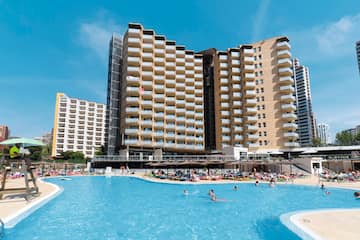
 BFS • 3 nights
 FB · TUI


 LHR • 7 nightsAI · Ski Line
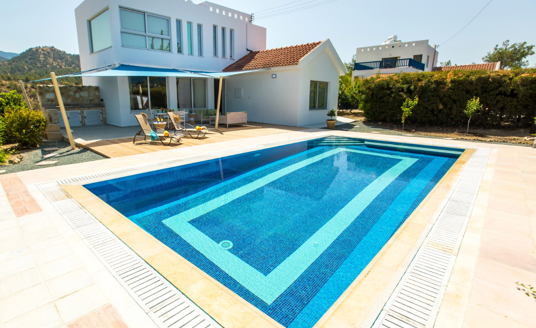 STN • 7 nightsSC · Olympic Holidays
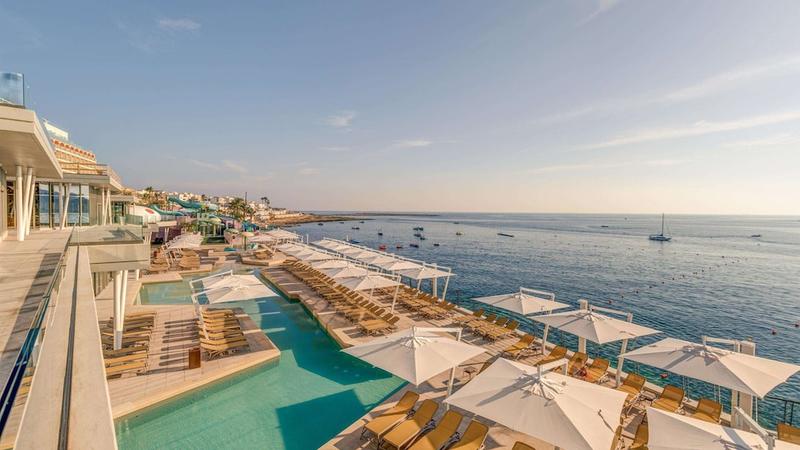 LPL • 7 nightsB&B · Thomas Cook
1. Tenerife, Spain: the easiest all-round October sunshine option
If you want a straightforward holiday where you can spend much of the day outside, Tenerife belongs high on the shortlist. The island offers resort beaches, family hotels, volcanic scenery and an unusually wide choice of things to do if you get bored with the pool.
Spain's national meteorological agency, AEMET, records a 26.8°C average October daily maximum at Tenerife South Airport, alongside 214 hours of monthly sunshine in its 1981–2010 climate normal. That makes southern Tenerife a persuasive autumn option, but weather on the greener northern side and in the mountains can be quite different. Check the official Tenerife South climate figures.
Where to stay: Costa Adeje for a broad choice of beach hotels and family facilities; Los Cristianos for a walkable resort atmosphere; Playa de las Américas if nightlife matters. If you want a quieter break, compare the exact hotel surroundings rather than relying on the resort name alone.
What to do: combine beach days with a visit to Teide National Park, coastal boat trips or an inland village. Mountain visits require an extra layer of clothing and checking current access and weather. The island is more rewarding when you explore beyond your hotel.
The trade-off: popular southern resorts are not guaranteed to be quiet in October, particularly during school holidays. Also compare flights from your preferred UK airport rather than assuming every airport serves Tenerife equally often.
2. Madeira, Portugal: best for scenery, walking and a gentler pace
Madeira is the alternative for anyone who prefers lush hillsides, dramatic cliffs and beautiful views to spending an entire week on a sunlounger. October can be an appealing time to explore its gardens, coastal towns and walking routes. It is not the best substitute for a sandy Mediterranean beach resort.
Where to stay: Funchal is a practical base for restaurants, buses, organised excursions and evenings out. Câmara de Lobos is attractive if you enjoy a smaller harbour setting, while some visitors prefer the south-coast resorts for a more conventional hotel holiday. Accommodation location matters because the island's steep terrain can turn a short-looking distance into a demanding walk.
What to do: explore Funchal's market and seafront, visit viewpoints, and choose levada walks that genuinely match your fitness and tolerance for heights. Mountain conditions can change quickly, even when the south coast feels pleasant.
Important for walkers: the official Madeira tourism website says classified PR trails require advance reservations and can be restricted or closed. Check live trail status and the current reservation requirements before setting off. Never build your entire itinerary around one trail without checking access.
The trade-off: October can bring unsettled spells, and a car can be helpful for exploring. Madeira rewards a flexible itinerary more than a rigid schedule of mountain hikes.
3. Malta: best for mixing history with some lingering summer warmth
Malta is particularly attractive if you are the sort of traveller who wants a historic harbour in the morning, lunch overlooking the water and a seaside walk in the afternoon. October can still offer pleasant days outside, but the appeal should not depend entirely on getting perfect swimming weather.
Where to stay: Valletta puts history and cultural attractions on your doorstep, but involves hills and steps. Sliema provides waterfront restaurants and good connections. St Paul's Bay and nearby areas can work for visitors who prefer a more hotel-oriented base, although the local surroundings vary.
What to do: prioritise Valletta, Mdina, the Three Cities and, if you have time, Gozo. The Malta Tourism Authority highlights Valletta, the prehistoric temples and the Ħal-Saflieni Hypogeum among the country's UNESCO heritage. The Hypogeum requires particular advance planning because visitor access is limited. Explore the official UNESCO heritage guide.
For families: balance historic sightseeing with a boat trip or sheltered beach if conditions allow. Plan indoor alternatives for unsettled days and confirm excursion timetables, which can change with the season and weather.
The trade-off: Malta is not all sandy beaches. Some favourite swimming spots have rocky entries, and wind can affect ferries and boat trips. Select your base according to how you intend to spend most of the holiday.

4. Seville, Spain: best for an autumn city break
Seville becomes much more appealing for people who struggled with the idea of sightseeing in the height of summer. It is a city for walking between extraordinary buildings, stopping for tapas and taking your time over neighbourhoods rather than racing from attraction to attraction.
AEMET's historical climate figures for Seville Airport show an average October daytime maximum of 26.0°C. Rain is more likely than in midsummer, however, with an October average of 68mm in its 1981–2010 normal. That means warm afternoons are possible, but packing a light waterproof is sensible. See Seville's official climate data.
Where to stay: Santa Cruz or El Arenal puts many landmarks within walking distance; Triana is worth considering if you want a neighbourhood feel across the river. Compare noise, accessibility and room air conditioning, particularly for older buildings.
What to do: visit the Real Alcázar, Seville Cathedral and Giralda, cross to Triana and allow time to wander around the Plaza de España. For the major monuments, check tickets on their official websites before travelling. Spain's tourism board provides a useful introduction to Seville's principal sights.
The trade-off: Seville has no nearby resort beach on the doorstep. It is the wrong choice if your real objective is swimming every day. For a short break full of architecture, food and neighbourhood wandering, though, it may be the most memorable choice of the six.
5. Antalya, Türkiye: best for late-season resort warmth
Antalya is one of October's strongest candidates for travellers who want the traditional pool, beach and hotel experience after the main summer holidays. Türkiye's meteorological service reports an October average maximum of 26.6°C for Antalya in its long-running station records. It does not mean every October afternoon will reach that temperature, but it helps explain the coast's popularity for autumn breaks. See the Turkish meteorological figures.
Where to stay: Lara Beach is practical if you want large resort hotels and a shorter journey from Antalya's airport; Belek is known for big resort properties and golf; Side combines holiday hotels with an ancient town atmosphere. Kemer suits visitors who like a dramatic mountain backdrop. Compare the individual hotel and transfer arrangements, not just the resort label.
What to do: aside from beach and pool time, Antalya's old town, Kaleiçi, makes a worthwhile outing. Archaeological attractions around Side and Perge appeal to families with older children and anyone wanting a break from hotel life.
Before booking: ask whether outdoor pools are heated, which restaurants remain open, whether water parks and children's clubs still operate on your exact dates, and what the hotel offers in bad weather. Late-season packages can look attractive while including fewer facilities than the July version of the same holiday.
The trade-off: October is not uniformly dry. Expect some possibility of heavy rain and thunderstorms, particularly as the month progresses. Check the latest UK travel advice for Türkiye before booking.
6. Cyprus: best for a warm sea and a beach-and-history holiday
Cyprus is especially convincing for visitors who value warm water. Official Cyprus tourism climate data for the Limassol coast give an October average daytime maximum of 27.2°C and an average sea temperature of 23°C. The same figures record more rain days than in September, so flexibility still matters. Read the official coastal and sea-temperature comparison.
Where to stay: Paphos is a useful base if you like a mix of archaeological sites, restaurants and resort accommodation. Protaras tends to appeal to visitors prioritising beaches and family resort facilities. Ayia Napa has lovely coastal areas as well as livelier nightlife, so check the exact neighbourhood and hotel. Limassol is worth considering if you prefer an urban waterfront and easier access to a wider spread of restaurants.
What to do: mix beach days with Paphos archaeological sites, traditional villages or nature walks where the weather allows. The official Cyprus climate guide is useful for understanding why the inland hills, mountains and coast can have very different temperatures.
For half-term: Cyprus is a strong family contender if the primary goal is swimming, but not every splash park or summer attraction operates identically in late October. Check the hotel's actual end-of-season dates before paying.
The trade-off: Cyprus can require a longer journey from the UK than some western Mediterranean destinations. Weigh the warmer sea against flight schedules, transfer time and the overall cost. Check UK government travel advice for current entry and safety guidance.

Know when you can travel?
Compare holidays from your preferred UK airport on the dates you are actually free, without choosing a destination first.
Find holidays by dateEarly October or late October: which is better?
Early October often gives you a better chance of enjoying the tail end of the Mediterranean resort season. Sea temperatures reflect the summer months, days are still reasonably long and hotels may still have most summer services running. But the first half of October is not necessarily quiet or cheap everywhere.
Late October can be excellent for cities and mild-weather exploring. If a swimming holiday is your priority, destinations such as Cyprus, Antalya and the south of Tenerife are worth comparing carefully. Weather gets less predictable in parts of the Mediterranean, and some seasonal services may wind down.
For families tied to half-term, the choice is less about picking the perfect week and more about checking what works on your fixed dates. Start with the airport and dates, then compare whether a warm destination justifies its extra travel time and package cost.
October half-term holidays: what families should check
School holidays do not fall on identical dates throughout the UK, and some individual schools set different calendars. GOV.UK advises checking your own school or local council's term dates rather than assuming a national half-term week. Check official school holiday dates.
- Facilities: verify kids' clubs, waterslides, outdoor pools and evening entertainment for your actual week, not the hotel's summer brochure.
- Pool temperature: a sunny afternoon does not guarantee an unheated outdoor pool will feel comfortable for young children.
- Flight and transfer: an evening arrival followed by a long transfer can make the first night difficult, especially with smaller children.
- Weather backup: consider indoor pools, historical sites, aquariums or accessible towns if the beach is unusable for a day.
- Costs: compare the complete package, including bags, board basis, airport travel and room configuration.
A separate article on September holidays may be useful if you are free to travel outside school breaks. If you need the last week of October specifically, resist paying more for a destination whose summer facilities have already closed.
Is October a cheap month for holidays?
Sometimes, but calling October universally cheap is misleading. The price of a particular week depends on UK departure airport, school holiday demand, room availability, flight schedules and whether the destination is entering its low season. A late-October stay can cost more than an early-October trip even at the same hotel.
Try comparing departures on more than one day, or from more than one airport if getting there is practical. Check all-inclusive against self-catering using the total cost of food, drinks, luggage and transfers, not just the headline price. If a lower price comes from reduced facilities or poor flight times, it may not be good value at all.
If your dates are flexible, compare our September holiday guide, too. For the October search itself, begin at TripsByDate and compare live departures by your available dates.
What to pack for an October holiday
A one-temperature suitcase is rarely ideal. For Tenerife or Cyprus, bring swimwear and strong sun protection as well as a light evening layer. For Malta and Seville, comfortable walking shoes matter more than packing multiple beach outfits. For Madeira, a waterproof jacket, suitable walking footwear and layers are essential if you plan to go into the mountains.
If you are travelling with children, pack a change of clothes and basic essentials in hand luggage in case checked bags are delayed. For any destination, consult current UK foreign travel advice and check that your insurance covers your planned activities, particularly hiking or other adventure excursions.
Frequently asked questions about October holidays
Where is hottest in October for a holiday from the UK?
Antalya, Cyprus and southern Tenerife are strong candidates among the destinations in this guide, but the answer depends on location and your exact dates. Their historic daytime maximum averages are in the mid-to-high twenties Celsius, while individual days can be hotter or cooler. For a beach break, sea temperature and the hotel's operating season are as important as air temperature.
Can you swim in the sea in October?
Yes, in some destinations, depending on your tolerance and the day's conditions. Cyprus tourism reports an October average sea temperature of around 23°C at Limassol. Sea conditions, currents and local beach safety flags still matter. In Madeira, remember that dramatic coastal scenery does not necessarily mean sheltered sandy swimming beaches.
Which October destination is best for a city break?
Seville is excellent for a short, walkable cultural holiday with famous monuments and food. Malta suits visitors who want historic cities and coastal outings together. Consider which you would enjoy even if one afternoon turns rainy.
Is Tenerife better than Cyprus in October?
Neither is universally better. Tenerife offers a wide choice of southern resorts and volcanic scenery with generally favourable autumn conditions. Cyprus offers a warm Mediterranean sea and a mix of beaches, villages and archaeology. Compare flights, hotel facilities and the exact resort rather than treating either destination as identical everywhere.
Do holidays get cheaper after October half-term?
They can, but there is no dependable rule. Some destinations have fewer flights or close seasonal hotels, while others retain demand from winter-sun travellers. Compare total package prices and check what is actually included.
More holiday planning guides
Read Where to Go on Holiday in September for warmer late-summer alternatives, or return to the Holidays by Month hub to compare the wider year. If you are planning a cold-weather adventure instead, our skiing guides cover choosing resorts, equipment and first-time ski holidays.
‹ BACK TO HOLIDAYS BY MONTHKnow when you can travel?
Choose your departure airport and the dates you are free, then browse holidays that actually fit.
Find holidays by date