

Best 7-Night Holidays Under £500: How to Find a Full Week Away
Seven nights, one sensible budget and a whole week to make memories. Discover where to look, what to compare and how to get more holiday out of £500.

Seven nights abroad for under £500 per person has a lovely ring to it. Enough time to forget what day it is, find a favourite breakfast spot and finally stop checking your work emails. But there is a small catch: seven nights are not the same as seven full holiday days, and a flight-and-hotel bargain can become rather less charming once you add luggage, transfers, meals and the taxi you need because your hotel is on a hill apparently designed to test Olympic cyclists. This guide is about finding a genuinely good seven-night package holiday under £500, then turning that week into something worth remembering.
Quick answer: Start by checking the Costa Blanca in Spain, Bulgaria's Black Sea resorts and Portugal's Algarve for seven-night beach-and-exploring packages. Also investigate Marmaris in Türkiye, Paphos in Cyprus and Agadir in Morocco if the dates and flights work. These are places to search, not verified £500 offers. A package under £500 usually means a price per person, often based on two people sharing, with inclusions and availability that vary. For a true seven-night bargain, compare seven-night packages specifically, check flight times and calculate the cost of your whole week, not only the checkout headline.
The easiest way to start if you know when you can escape but not where is TripsByDate. Choose your UK departure airport and browse holidays by departure date, without first committing to Tenerife, Turkey or anywhere else. Visit regularly as the selection changes. When something promising appears, open the provider's offer and confirm seven nights, your exact travellers, flights, room, board, baggage, transfers and final live price. TripsByDate helps with discovery; it does not claim that every listing on this page is under £500 or lasts seven nights.
What makes a seven-night holiday under £500 different from a generic cheap package?
The objective here is one whole week abroad, not simply a holiday that squeezes below a price ceiling. A £450 three-night city break may be wonderful, but it does not answer the question. A £490 seven-night package with impossible flight times and a costly, isolated hotel might also be the wrong answer. The sweet spot is a week with sensible travel, a base you can enjoy and enough spending room to eat something other than supermarket crisps for seven days.
For someone with a fixed week off, that means checking whether the airline's departure pattern matches their calendar. Some traditional leisure routes suit seven-night blocks because operators sell flights and hotel rooms together for a week at a time. MoneySavingExpert's package-holiday guidance explains why seven-, ten- and fourteen-day stays can sometimes be competitive in established resort destinations. It's a reason to compare, not a guarantee that a seven-night package is cheaper than six or eight nights.
This is the distinction from our general package holidays under £500 guide: we are going to focus on how to find seven nights, how to use seven nights, and how to keep the seven days of everyday spending under control.
The calendar trap: eight dates, seven hotel nights
A typical seven-night booking touches eight calendar dates: your departure day, seven nights in accommodation, then your return day. That does not automatically give you seven full days at the destination. Imagine arriving close to midnight and flying home before breakfast a week later. You have paid for seven nights but may have only six comfortable days of exploration, or fewer once transfers are included.
Try the usable-hours test before booking:
- Note the time you expect to arrive at your hotel, not simply when the plane lands.
- Note the time you'll need to leave the hotel for the flight home.
- Mark any arrival or departure day that is mostly consumed by travelling.
- Compare packages based on the amount of time you can realistically enjoy, especially if one flight schedule is awkward.
The best deal may be the one that costs a little more but gives you breakfast by the sea on your first morning and a leisurely final afternoon. For a deeper look, see our guide to how flight times affect your holiday experience.
Under £500 each, or under £500 for the entire trip?
Most advertised package prices are per person based on an assumed occupancy, frequently two adults sharing. A couple hoping to spend £500 between them is searching in a completely different price bracket. Families need a quote with the real child ages, bedding requirements and room configuration. Solo travellers must check single-occupancy rates rather than simply doubling down on the headline price and hoping mathematics will be kind.
If £500 is the entire holiday budget per person, not just the booking cost, the package needs to cost less than that so you still have enough for insurance, airport travel, meals, transport and whatever makes the trip enjoyable. If £500 is solely the flight-and-hotel ceiling, say so in your own search notes. One definition, one budget, far fewer unwelcome surprises.
Find a full week away on the dates you can actually travel
TripsByDate's rotating holiday examples are here to help you discover possibilities from UK airports. They are not filtered to seven nights or £500, and they may feature other destinations and travel dates. Browse, spot an idea, then verify the exact duration, price and availability with the travel provider before making plans.



 STN • 7 nights
 SC · Olympic Holidays

 STN • 7 nightsSC · Thomas Cook
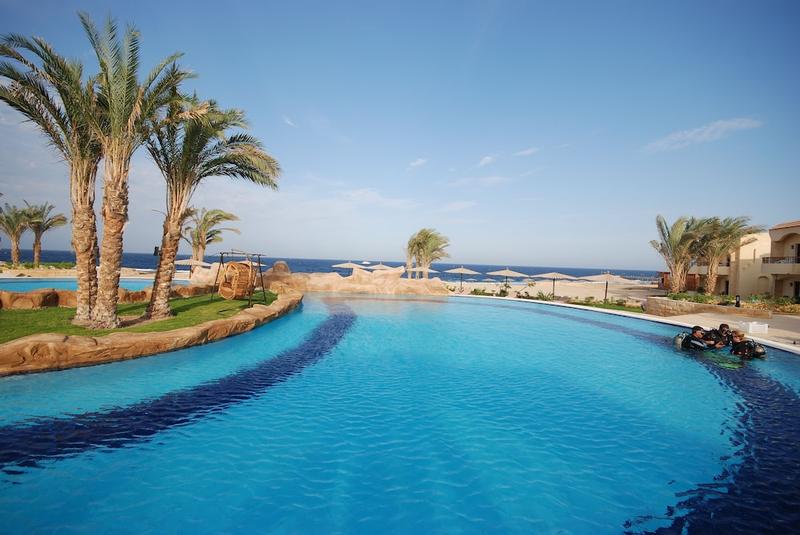 BRS • 7 nightsAI · Thomas Cook
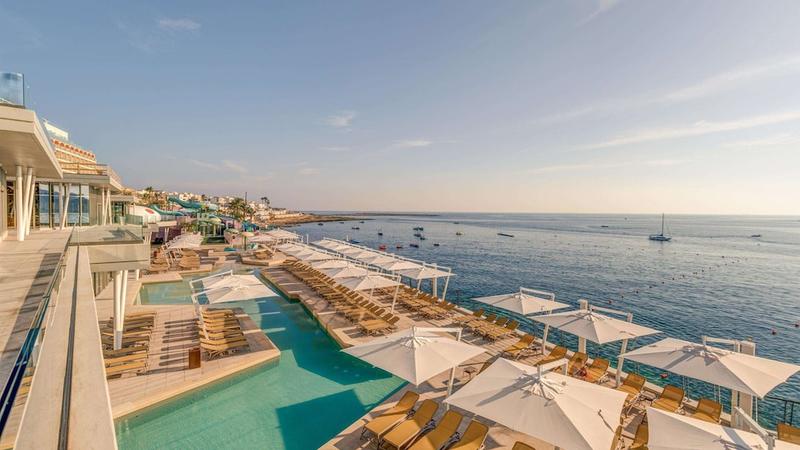 LPL • 7 nightsB&B · Thomas Cook
Three established holiday regions worth checking for a full week
No location consistently guarantees a seven-night package under £500. The useful question is where to begin comparing actual package inventory, while being realistic about seasonal weather and what a week there feels like.
Costa Blanca, Spain: a week with beaches, buses and an old-town surprise
The Costa Blanca can work for travellers who want a relaxed coastal base with enough nearby places to stop every day looking suspiciously similar. Benidorm brings broad beaches, restaurants and an established resort infrastructure. Altea is a different mood altogether: whitewashed streets, blue-domed church roofs and a pleasant old town that rewards a slow wander. Alicante adds a proper city, waterfront and the imposing Santa Bárbara Castle above it.
The seven-night idea: keep one base, then give your week a rhythm. Have a proper beach day, wander a historic town on another, enjoy a harbour or market afternoon, and leave a couple of days gloriously unplanned. You don't need seven excursions. One or two memorable outings are plenty when the point is also to have a rest.
Budget trick: compare a hotel where you can walk to a supermarket, restaurants and the beach with a cheaper one that needs taxis each evening. If you plan to visit Alicante or nearby towns, check the local transport network rather than assuming every attraction needs a tour. The TRAM d'Alacant provides official route and timetable information, but don't assume every resort is on the same line or that a connection is convenient from your hotel.
One useful warning: a package to the wider Costa Blanca does not necessarily place you near Altea or Alicante. Confirm the actual resort and journey times before making the old town the centrepiece of your holiday. If you're comparing seasons, our guide to the best months to visit Spain explains why price and beach weather don't always move together.
Bulgaria's Black Sea coast: sandy afternoons with a medieval neighbour
Bulgaria is interesting for a week because the beach-resort experience can be paired with something genuinely different: Nessebar, whose historic town sits on a peninsula and is recognised by UNESCO for its layered ancient and medieval heritage. Expect narrow streets, churches and sea views that make an ordinary afternoon feel like a small expedition.
Where to look: packages around Sunny Beach and the wider Burgas area can put beaches and resort facilities within reach of the old town. That does not mean all hotels are within strolling distance of Nessebar, so check the location and transport rather than relying on a broad region label.
The clever week: alternate slower days by the water with a trip into Nessebar, local seafood or a change of beach. Early or later visits to popular old towns can be more pleasant if you prefer quieter streets. For a family, this is the kind of simple day out that adds variety without needing a different ticketed attraction every morning.
The catch nobody should hide: Bulgaria's Black Sea coast is seasonal. Don't assume a bargain-looking winter package will provide lively beach resorts, warm swimming or a full programme of facilities. Hotel openings and direct flights need checking for your actual dates. A cheap week with the restaurants closed isn't a triumph just because the price looked good.
The Algarve, Portugal: one week to discover there's more than the beach
The Algarve is ideal for a holiday where coastal walking, local food and small-town exploring are as important as sitting beside a pool. The spectacular rocks around Lagos, the old streets of Tavira and the waterfront around Faro offer different versions of the region. A week allows you to choose one and explore the neighbourhood properly, instead of trying to drive the entire coast before lunch.
The unexpected angle: the Ria Formosa lagoon system near Faro and Olhão is a striking contrast to the Algarve's famous cliffs. Its islands, wetlands and birdlife make it appealing for a guided nature outing or a carefully researched public-boat trip, depending on location, weather and service. Portugal's official tourism website is a useful starting point for regional information.
Save money intelligently: a convenient base with cafés, markets and transport nearby may be worth more than a nominally cheaper secluded hotel. A self-catering apartment can make a seven-night stay easier for families or friends, but only if you'll actually use the kitchen. A beautiful apartment with a fridge containing one lemon and a bottle of water isn't much of a cost-saving strategy.
Seasonal reality: outside summer, the Algarve can be wonderful for walks, seafood and quieter sightseeing, but it isn't reliably hot beach weather. Some tourism services operate reduced schedules. Check the atmosphere you want, not just a photograph taken in perfect August sunshine. For wider ideas, see our Algarve winter sun guide.

Three alternative weeks if the obvious destinations do not fit your dates
These destinations are not necessarily cheaper than Spain, Portugal or Bulgaria. They earn a place because they offer a different kind of week, and an unexpected package on your departure dates can change the calculation.
Marmaris and İçmeler, Türkiye: choose your pace, then find a boat
Marmaris is lively, with a harbour, restaurants and easy access to coastal scenery. İçmeler offers another resort base, while Turunç can appeal to travellers who want a quieter coastal atmosphere. The interesting question is which one suits your evenings. A cheap hotel in the wrong resort is not a bargain if you'll spend the week escaping it by taxi.
The week-long sweet spot: enjoy your hotel beach, visit a different stretch of coast, eat Turkish breakfasts and meze, and consider one boat or ferry outing that lets you see the pine-covered shoreline from the water. Local boats and public transport may sometimes be alternatives to a full-day organised excursion, but schedules, safety and availability vary. Verify them locally and never build a return journey around an assumed last sailing.
Food idea: try a proper Turkish breakfast, fresh gözleme or grilled fish away from the most aggressive restaurant pitches. Check displayed menus and the final bill. If you're all-inclusive, decide in advance whether you want to eat out occasionally because the experience itself matters. Being determined to consume every prepaid meal can turn holiday value into a competitive sport.
For safety and entry details, check the UK government's Türkiye travel advice before booking.
Paphos, Cyprus: the week that becomes a Roman treasure hunt
Paphos works particularly well for travellers who like an afternoon swim or seaside walk followed by a bit of archaeology. Near the harbour is the Kato Paphos Archaeological Park, famous for intricate Roman mosaic floors depicting mythological scenes. It is a UNESCO-recognised archaeological landscape, not merely a collection of stones somebody has thoughtfully labelled.
Use the week well: make one day about the harbour and mosaics, another about coastal walks or a nearby beach, and leave time for a long Cypriot meze lunch. The Tombs of the Kings and other heritage attractions may carry separate charges, so confirm admission and opening hours before assembling an ambitious history itinerary.
The budget win: investigate buses and the location of your hotel instead of automatically hiring a car for seven days. The benefit depends on your intended trips and actual services. Paphos is also season-dependent: winter can be good for culture and walking, while hot beach days and sea swimming are less predictable. Read our Cyprus winter guide if mild-weather travel appeals.
Agadir, Morocco: a beach week with one big market day
Agadir has an extensive Atlantic beachfront and a different atmosphere from a Mediterranean resort. The Moroccan National Tourist Office highlights its promenade, local cuisine, Souk El Had and the surf-oriented scene around nearby Taghazout.
Make seven days feel varied: enjoy beach and café time, explore a large local market without feeling obliged to buy everything in it, sample tagines and Moroccan pastries, and investigate a guided excursion that interests you rather than signing up for three simply because the hotel rep has a laminated folder. Taghazout's cafés and surf culture might appeal to friends or active couples; a relaxed Agadir seafront base may suit somebody who just wants sunshine and walks.
The real-life checks: Atlantic water isn't guaranteed warm, surf conditions vary, and an Agadir-labelled package might actually be in a different resort area. Compare hotel location, safe transport, beach access and any transfer arrangements. For local etiquette, entry and safety questions, consult UK travel advice for Morocco.
The seven-night price-gap test: compare the same week in three ways
The biggest difference between hunting for an inexpensive three-night getaway and searching for a full week is that one small nightly cost repeats seven times. An airport taxi is a one-off; an expensive hotel breakfast or daily sunbed charge becomes a habit. These are the comparisons that can genuinely change the outcome.
Test one: seven nights versus six or eight nights
Start with the exact seven-night package, then see whether a six- or eight-night departure has an unexpectedly competitive total. Do not automatically switch duration: if you really need a week, compare the difference in dates, flight timing and leave required. But occasionally a longer package can cost less than a shorter one because of how flights and rooms are sold. Compare what is actually available, not a theory about the cheapest number of nights.
Test two: the same dates from another suitable airport
Compare your realistic departure airports, not just whichever is biggest on a map. A different departure may unlock another flight time or a better package. Then add parking, rail fares, fuel, airport hotel costs and the time needed to get there. Our UK airport comparison guide explains why a cheaper flight from a faraway airport isn't automatically a cheaper holiday.
Test three: the same hotel, room and board through another seller
Exact hotel, exact seven nights, exact flight schedule, same room, same passengers, same luggage and transfers: that is a meaningful like-for-like comparison. MoneySavingExpert explains that some agents can quote different prices for equivalent tour-operator packages, and you can ask for a price match. Check terms and financial protection carefully. A supposedly cheaper package missing one checked bag, airport transfer or meal plan is not the same holiday.
What is the best time to book a seven-night package holiday under £500?
There is no magic Tuesday, guaranteed discount month or perfect booking window that works for every route. Demand, school calendars, unsold flight seats, hotel inventory and your willingness to travel somewhere unexpected all matter.
Early booking can be better if you need a specific family room, accessible accommodation, school-holiday dates, an exact hotel or a popular flight from a smaller UK airport. Late booking can be useful for travellers who can go to several destinations, shift dates and accept a smaller hotel selection.
The important counterexample to blanket last-minute advice is Which?'s research on last-minute holidays, which found early booking cheaper in several countries it tracked. Other research has also shown worthwhile late price cuts on selected packages. Both can be true. Use real comparable quotes to decide, not an internet rule that promises cheap holidays eight weeks before departure.
The seven-night departure rhythm
A Saturday-to-Saturday trip isn't inherently cheapest. Some operators sell weekly packages on days aligned with their flight schedules. Try different days within the period you can travel and see whether the same seven-night duration becomes much better value. Moving a departure day may also change the hotel or flight inventory, so compare the entire trip carefully.
For families: check your precise school dates and child ages. A bargain advertised for two adults doesn't tell you the price for two adults and two children sharing a suitable room. If an offer mentions a free child place, inspect the conditions and full family total. The child may still incur certain charges, and the offer may require two full-paying adults and specific rooms or dates.
Seven nights of meals: how to stop a cheap package becoming an expensive week
When you stay for a full week, the board basis can matter more than a small difference in the hotel headline price. The best choice depends on your food habits and where you plan to spend the day.
Room-only or self-catering: good for explorers, if the location works
A room-only hotel near bakeries, supermarkets and affordable restaurants can suit a couple who wants to wander all day. Self-catering can also work well for a family that enjoys simple breakfasts or wants a kitchen for snacks. But cooking every night can feel less like a holiday and more like moving your washing-up duties somewhere sunny.
Compare the actual accommodation facilities. "Kitchenette" might mean a sink, a kettle and almost no preparation space. If you're planning to cook, check the fridge, hob, utensils and nearby food shops. For a week, a walkable neighbourhood and decent facilities may beat an isolated bargain.
Bed and breakfast: quietly underrated for a full week
Breakfast included can remove one daily cost and make mornings simpler, especially if you plan to explore after eating. But hotel breakfast isn't a win if you never get up in time for it or would rather discover a neighbourhood café. Compare the price difference and the opening hours, particularly on an early excursion day.
Half-board or all-inclusive: calculate what you will actually use
Half-board can make sense when you'll be at the hotel for most evenings. All-inclusive may be convenient for families and pool-focused travellers who will use meals, snacks and drinks regularly. It may be poor value for someone planning seven days of independent exploring and eating local food. Check which restaurants, drinks, snacks and times are actually covered. "All-inclusive" does not always mean every drink, every restaurant or every activity.
Here's a sensible test: sketch three typical days of your proposed holiday. Are you at the hotel for lunch? Will you eat out in town? Do the children expect snacks all afternoon? Compare the meal plans based on those days. Don't buy a more expensive board package just because unlimited chips sound reassuring at midnight.
How to enjoy all seven nights without paying for seven expensive days
The secret is variety, not a daily parade of paid excursions. A cheap week can feel much richer when each day has a different mood.
A flexible one-week rhythm that doesn't cost a fortune
- Arrival day: unpack, find the nearest water, food shop and transport stop. Take a short walk, not an exhausting paid tour.
- Your first full day: beach, pool or an easy local stroll. Get to know your base before committing to the rest of the week.
- Market or old-town day: choose a local market, historic quarter or town with a proper café scene. Find out which sights are free to walk around.
- The one special experience: a boat trip, a guided nature outing, an archaeological site or a memorable meal. Pick one that fits your interests, not simply the most expensive brochure photograph.
- Exploration day: take a public bus or suitable local transport to another neighbourhood, beach or village. Check the return journey first.
- Rest day: do gloriously little. Read, swim if conditions are safe, eat well and let the holiday do its job.
- Final full day: return to your favourite spot, buy a small souvenir if you want and finish with a relaxed meal. Avoid wasting the evening packing every item into a suitcase as though competing in a television challenge.
This is only an idea, not a literal itinerary with day seven necessarily falling on the departure date. Seven nights may produce a different number of usable full days depending on flight times.

Got a week free? See where it could take you
Choose your UK airport and browse holidays by departure date on TripsByDate. Find an interesting possibility, then confirm seven nights and the full live price with the travel provider.
Find holidays by dateFour surprisingly expensive habits on a seven-night holiday
One: treating every day as an excursion day
An organised excursion can be excellent, especially where transport is difficult or a qualified guide adds real value. But buying something every morning can overwhelm both your budget and your energy. Prioritise one genuinely memorable experience, then look for walks, public beaches, markets, local museums and reasonably priced transport. If a paid tour covers places accessible comfortably and safely on your own, compare the alternatives first.
Two: paying for an inconvenient hotel every single night
A hotel far from restaurants or a usable beach may be cheaper to book but expensive to live in. Map the walk to the actual places you'll visit, and read recent reviews about noise, hills, steps and evening transport. A slightly better-located hotel can save money across seven nights and make spontaneous exploring far easier.
Three: ordering without understanding the menu
Sea-view restaurants can be wonderful, but check menu prices and whether seafood is priced per portion or by weight. In tourist areas, drinks and service extras can add up. Try a traditional lunch, market food or a local bakery as part of the experience. The aim isn't to spend nothing; it is to spend on food you'll remember rather than convenience charges you'll resent.
Four: the 'we're only here once' spending spiral
A sunbed hire, a taxi, cocktails and a boat trip can each feel like a small treat. Repeat them daily and you may have bought yourself a second holiday's worth of extras. Give yourself an experience allowance and decide early what matters most. A special dinner overlooking a harbour may be worth a premium; the seventh identical cocktail probably isn't a cultural necessity.
Who can actually make a seven-night budget work?
Couples: protect the holiday atmosphere, not the hotel star count
Choose a base where you can enjoy evenings without paying for taxis every time you leave the room. A balcony, lovely old town, sunset walk or good local restaurant may make more difference than swapping a well-reviewed three-star for a forgettable four-star. If you want a romantic week, spend your special-occasion money on the experience itself.
Families: count children, luggage and facilities before falling in love
A seven-night family holiday isn't simply the adult price multiplied by the number of people going. Check the actual family room, bed arrangements, baggage, transfer time, child facilities and swimming-pool suitability. Some child clubs and attractions operate seasonally. School-holiday flights can be much more expensive, so don't build expectations around prices for term-time departures. Our family winter sun guide has useful accommodation questions that apply to other seasons too.
Friends: agree the unglamorous things first
Before booking, settle who shares with whom, the maximum total budget, preferred evening atmosphere, transport and appetite for activities. A hotel marked as a "triple room" may not offer three equivalent beds. A shared apartment can be excellent value, but only if the privacy, sleeping arrangements and location really work. The group chat will be much happier with those decisions made before anyone pays a deposit.
Solo travellers: don't confuse a per-person headline with a solo price
Package adverts frequently assume two sharing. Solo supplements and single-room availability can change the cost significantly. Compare the full solo quote, room location and whether you're comfortable exploring from the base on your own. A smaller central hotel with cafés, buses and plenty to see can be more enjoyable than a large out-of-town resort chosen only for its apparent price.
Two wildcards that can turn an ordinary week into something special
The 'two worlds, one base' holiday
Choose a resort where a beach and a genuinely interesting town are both practical from the same hotel. The Costa Blanca with Altea or Alicante, Paphos with its Roman heritage, and the Black Sea coast with Nessebar are examples worth investigating. You're not paying to change hotels or repack bags, but your week can feel like two very different holidays. Check actual travel times before choosing the base; the words "nearby" in a sales brochure can cover an impressive range of distances.
The public-transport adventure, done sensibly
A scenic local bus or ferry can be part of the fun, not just the budget option. But don't turn a saving into an expensive rescue mission: verify routes, ticketing, return services and accessibility, especially out of season. In a destination where public transport simply doesn't serve the places you want safely or conveniently, pay for an appropriate guided trip instead. Value is the whole experience, not the cheapest individual ticket.
Questions worth answering before you book
Can you really get seven nights abroad for under £500 per person?
It can be possible for selected departure dates, airports, hotels and destinations, particularly where established operators sell weekly packages. It is not a guaranteed price or a promise that every person in a family or group can book at the advertised rate. Check live offers for your actual travellers and full inclusions.
Are seven-night package holidays cheaper than booking flights and hotels separately?
Sometimes, especially on established holiday routes where operators sell contracted flight and hotel capacity together. But not universally. Compare the same travel dates, flights, accommodation, bags, transfers and protection. If you want a shorter city break or several locations, separate booking may work better, but check the legal and financial protections of the arrangements you're buying.
Which destinations should I check first for a cheap seven-night beach holiday?
The Costa Blanca, Bulgaria's Black Sea resorts and the Algarve are sensible starting points for selected dates. Marmaris, Paphos and Agadir are useful alternatives. These are search suggestions, not a current ranking of the cheapest holidays or verified packages under £500. Your local departure airport and the season can change everything.
How many full days do seven nights abroad give you?
That depends on arrival, transfer and return times. A seven-night stay usually spans eight calendar dates, but can contain fewer than seven usable full days. Compare hotel arrival and departure times, not only the number of nights.
Is a seven-night all-inclusive package better value than self-catering?
Only if you'll actually use the inclusions. All-inclusive may suit a pool-focused family or a relaxed resort week; self-catering can work for an active group near shops and restaurants. Calculate the likely total for your food and drinks, check facilities, and compare the real package totals.
When should I book a seven-night holiday under £500?
There is no universally cheapest time. Early booking may suit specific family rooms and fixed school-holiday dates. Late booking may help flexible travellers, but prices can also rise and hotels can sell out. Compare several actual departure dates and treat sweeping booking-day rules with suspicion.
Can I trust the financial protection on a cheap package?
Cheap does not mean unprotected, but you should confirm the arrangement. For UK-sold flight-inclusive packages, check the organiser and whether the booking is ATOL-protected, and keep the certificate if one is issued. The Civil Aviation Authority explains that ATOL covers eligible financial failures, not medical treatment or ordinary holiday mishaps. Appropriate travel insurance is separate and important. Also read the government's travel checklist for documents and practical planning.
Find a week worth remembering, not just seven nights at the lowest price
The best seven-night holiday under £500 isn't necessarily the one with the biggest discount label. It might be a quiet beach in the Costa Blanca, a sunset wander around Nessebar, a full day of Portuguese coastal scenery, a ferry ride near Marmaris or a slow lunch after discovering Paphos's ancient mosaics. What connects them is having enough time to settle in and enjoy somewhere, rather than merely arrive, tick off a few sights and fly home.
Start with the week you're free, choose the airports that genuinely work, and explore destinations through TripsByDate. Come back to browse changing possibilities. Once you've found a promising offer, confirm the duration, passengers, final live total and travel details with the operator. Then spend your holiday budget on a week of experiences you'll remember, not seven days of avoidable extras.
For nearby ideas, compare our budget holiday guides, how to compare seven-night packages and holidays from UK airports.
Seven nights away could be closer than you think
Browse by departure date and UK airport on TripsByDate, discover somewhere unexpected and check the complete seven-night offer with the travel provider before you book.
Find holidays by date