

Where to Go on Holiday in July
Six distinctive summer escapes, and how to choose the right one for your budget, travel style and tolerance for heat and crowds.
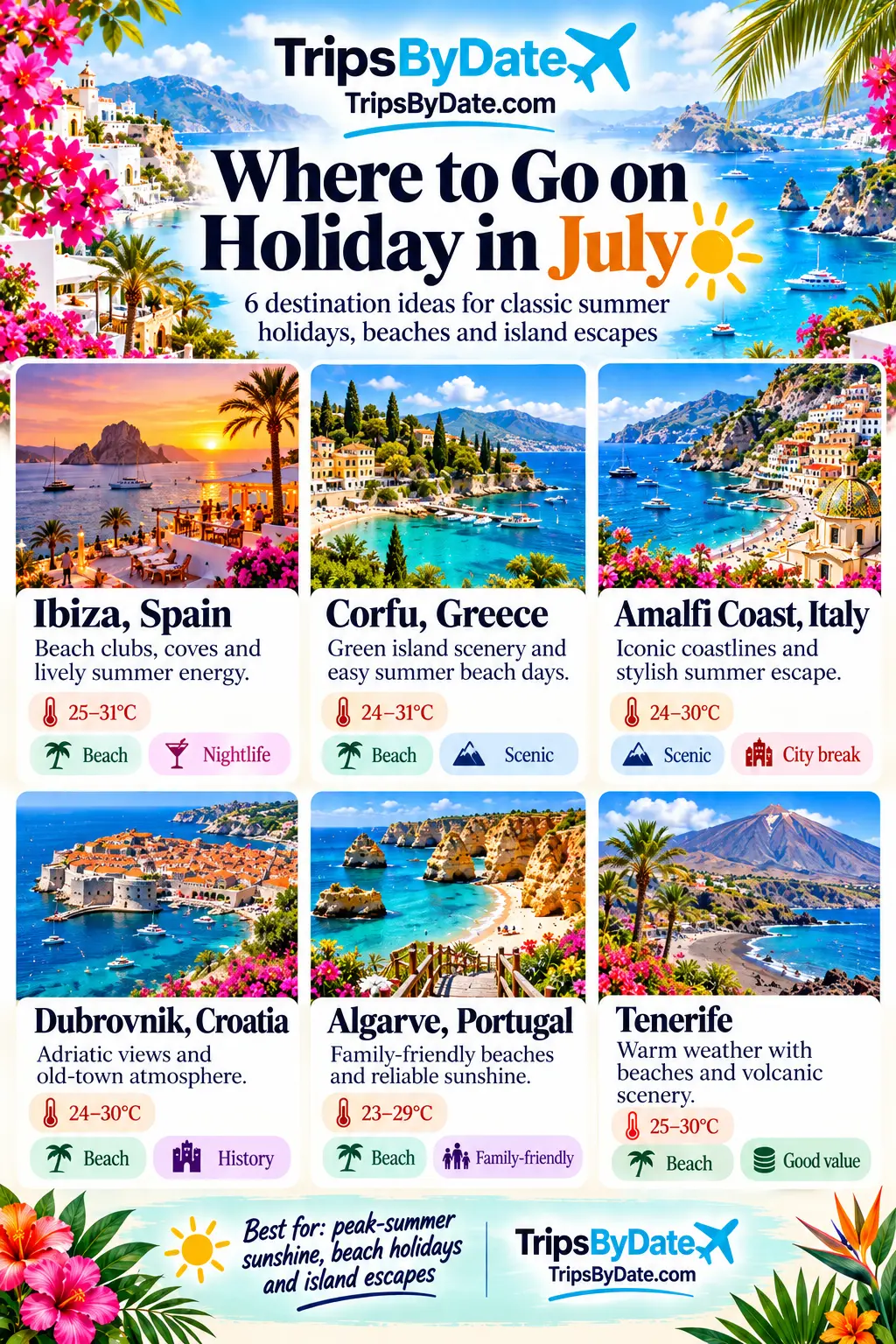
July is one of Europe's great holiday months, but choosing where to go is not as simple as picking the hottest place. A beach holiday in Ibiza feels very different from one in Corfu; the Amalfi Coast and Dubrovnik are magnificent but demand more planning, while the Algarve and Tenerife can be easier places to settle into a family break.
The best July holiday is the one that matches what you want to do each day. Think about shade, the type of beach, walking distances, hotel location, airport options and whether you are travelling before or after the summer school holidays begin.
Explore holidays departing on your dates
TripsByDate shows advertised package holidays across its wider inventory. The changing options below are not necessarily Christmas-week departures or packages to these five destinations. Use them as starting points, then compare your own dates and check the final price, availability and festive arrangements with the provider.
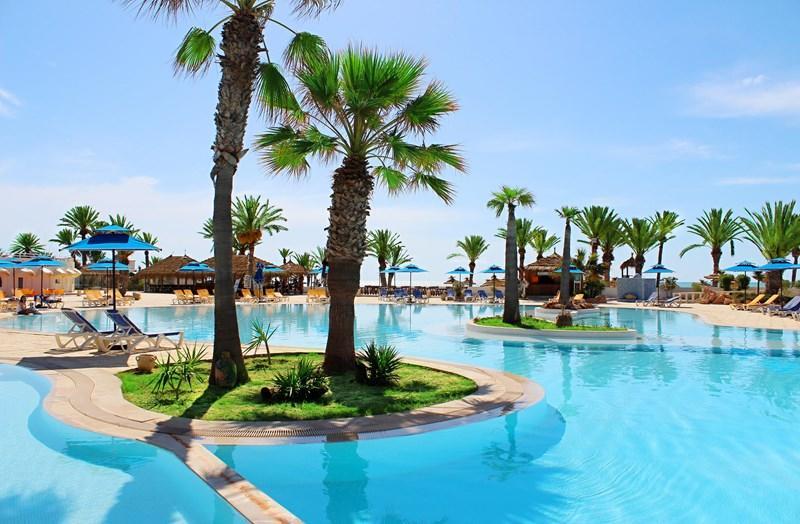


 MAN • 7 nights
 AI · easyJet holidays

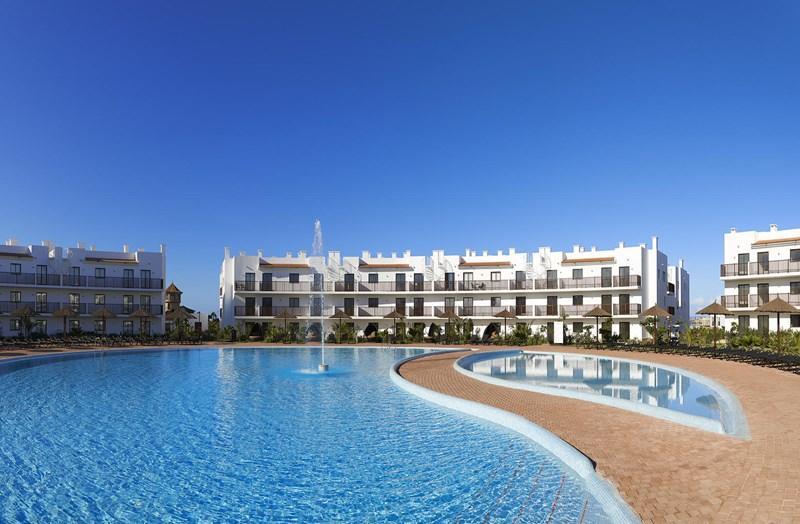 BRS • 7 nightsAI · easyJet holidays
 LGW • 7 nightsRO · First Choice
 BOH • 7 nightsB&B · First Choice
July holiday ideas at a glance
- Ibiza: best for mixing coves, beach clubs and nightlife, provided you choose the right base.
- Corfu: best for a mix of sandy beaches, beautiful coves and green Greek-island scenery.
- Amalfi Coast: best for unforgettable views, food and exploring; not an effortless beach resort.
- Dubrovnik: best for combining historic sightseeing and swimming in the Adriatic.
- Algarve: best for a flexible beach holiday with plenty of accommodation choices.
- Tenerife: best for established resorts, family facilities and contrasting landscapes.
Weather note: any typical temperatures are historical climate observations, not forecasts. Conditions, wind and sea temperatures vary by location, even within the same island.
1. Ibiza, Spain: beach clubs, peaceful coves and lively nights
Ibiza makes sense if you want a July holiday with plenty of personality. It is famous for its clubs, but choosing Ibiza does not mean choosing a party holiday. The same island has family-friendly beaches, sheltered bays, village restaurants and quieter northern scenery. The decision that matters most is which part of the island you stay in.
Where to stay: Playa d'en Bossa suits travellers prioritising nightlife and beach clubs, although some areas can be noisy. Santa Eulària offers restaurants, a promenade and a calmer base. Portinatx or the north may appeal more if you want smaller coves and a relaxed holiday. San Antonio is varied: check your hotel's exact neighbourhood rather than assuming every property has the same atmosphere.
Make July work: Book sought-after restaurants and special excursions ahead, spend the hottest hours near shade or water and allow for traffic when travelling to distant coves. A famous beach may have less parking and space than a quieter alternative.
The trade-off: July is popular and nightlife, beach clubs and accommodation can be expensive. A good-value hotel far from the places you want to visit may become less attractive once taxis are included. Compare resort location before headline price.
Best for: Couples, friends and travellers who want a mix of beaches, restaurants and evening atmosphere.
For examples of the island's quieter beaches and different coastal landscapes, read the official Ibiza tourism beach guide. Ibiza's family travel guide is useful if you are visiting with children.
2. Corfu, Greece: green scenery and beaches for different tastes
Corfu is a strong choice when your group wants a proper Mediterranean beach holiday but cannot agree on one sort of beach. It has long sandy stretches, pebble coves, dramatic cliffs, sheltered eastern bays and greener inland scenery. That variety matters in July, when a change of beach can make a busy day more enjoyable.
Where to stay: Paleokastritsa is appealing for scenery, coves and boat outings, but its steep terrain and limited beach space may be inconvenient for some families. The north-east suits travellers who like smaller bays and tavernas. Around Agios Georgios Pagon or the south-west you can look for longer sandy beaches; check the exact accommodation-to-beach route.
Make July work: Consider whether you need a car, especially if exploring smaller beaches is central to your holiday. On the west coast, wind and waves can change conditions; the more sheltered east coast can offer a different experience. For children, check the entry into the sea and available shade rather than relying on photos alone.
The trade-off: One resort cannot give you every kind of Corfu holiday. Some coves are steep to access, popular viewpoints get busy and a secluded property can involve more driving than expected.
Best for: Families, couples and swimmers who value beach variety and scenery over constant nightlife.
The Greek National Tourism Organisation's Corfu beach guide explains the contrasts between coasts and gives named beaches to investigate.
3. Amalfi Coast, Italy: spectacular scenery with a planning challenge
The Amalfi Coast offers an exceptionally memorable July trip, but it is not the easiest option for a conventional beach week. Its appeal lies in colourful towns, steep coastal views, boat journeys, food and walking between historic places. Beaches tend to be smaller and more restricted by cliffs than many visitors expect.
Where to stay: Positano is photogenic and popular, with steep streets and steps. Amalfi is a useful base if your priorities include visiting towns along the coast. Maiori can be worth comparing if you would like a more conventional beach area. Ravello is inland and elevated, excellent for views but not a stay where you step straight out onto the sand.
Make July work: Build the trip around one or two bases rather than constantly switching hotels. Check official ferry timetables before relying on boats, have an alternative for disruption and travel light if your accommodation is reached by steep stairways. Pre-book accommodation with clear arrival instructions.
The trade-off: Crowds, transport delays, expensive accommodation and hot climbs can undermine a short trip. Some locations are not suitable for anyone needing step-free access. If your main goal is an easy, spacious beach holiday, Corfu or the Algarve may be a better fit.
Best for: Couples and travellers prioritising scenery, food and exploring over resort convenience.
Italy's official tourism portal has a helpful overview of Amalfi Coast towns and attractions, including the distinctive coastline and its smaller beaches.

4. Dubrovnik, Croatia: an Adriatic holiday with history built in
Dubrovnik is ideal if you want more than sun loungers. Its historic walled centre makes a fascinating city break, and the surrounding coast provides swimming spots and island excursions. In July, however, it is important to plan sightseeing around the heat and the concentration of visitors.
Where to stay: Staying inside or close to the Old Town is convenient for early sightseeing but involves cobbled streets, steps and potential evening noise. Lapad can be more practical if you want beach access and a broader range of accommodation. Check how you will reach the Old Town from your hotel, especially during the hottest parts of the day.
Make July work: Walk the walls early if conditions and opening times allow, keep afternoons flexible and carry drinking water. Look at cruise-ship and excursion pressure when choosing when to explore the old town. If swimming is important, verify whether your chosen access point is rock, pebble or a managed beach.
The trade-off: Dubrovnik's famous centre is not a quiet coastal village in peak summer. Day-trippers, queues and hot stone streets can make midday sightseeing tiring. It is a better choice for visitors who can alternate cultural outings with time by the sea.
Best for: Couples, history lovers and travellers who enjoy city-and-coast holidays.
Learn about the protected historic centre on UNESCO's Old City of Dubrovnik page.
5. Algarve, Portugal: beaches, family facilities and coastal variety
The Algarve is an excellent all-rounder for a July holiday. It offers long sandy beaches, dramatic rock formations, established resorts and everything from busy town promenades to quieter stretches of coast. It is especially attractive if your group has different budgets or ages.
Where to stay: Albufeira has extensive visitor facilities and lively areas, but its neighbourhoods vary considerably in atmosphere. Lagos is good for people who want beaches and a town to explore. Tavira and the eastern Algarve can suit travellers seeking a different, often gentler pace. Compare transfer arrangements, beach access and how much driving you intend to do.
Make July work: Atlantic water can feel cooler than Mediterranean seas even when the air is hot. Take extra care around cliff-backed beaches: use signed access routes, obey rockfall warnings, and check tidal conditions before settling in a narrow cove. Beach selection is more important than a generic "Algarve" label.
The trade-off: Popular beaches and family resorts are busy during summer school holidays. The Algarve is not universally cheap in July, and sea temperatures can disappoint travellers expecting bath-warm Mediterranean water.
Best for: Families, first-time Portugal visitors and beach lovers who want easy resort infrastructure.
See Visit Portugal's guide to beaches across the Algarve to compare the coastline's distinct regions.
Know when you can travel?
Choose your departure airport and available dates first, then compare package holidays that fit your calendar.
Find holidays by date6. Tenerife, Canary Islands: summer sun with more temperature choice
Tenerife is sometimes thought of mainly as a winter-sun island, but July can work extremely well for a summer trip, too. Its southern resorts often combine bright conditions, established family facilities and a wide choice of hotels. Inland and at altitude, the climate can feel very different.
Where to stay: Costa Adeje is worth comparing for family hotels and resort amenities. Los Cristianos has a walkable seafront and established facilities. Playa de las Américas includes lively areas, so hotel position is important if you prefer quiet evenings. If mountains and scenery matter more than sun loungers, plan day trips separately from beach time.
Make July work: Tenerife South Airport's official climate normals show an average July daytime maximum of 27.7°C, but this is a historical average at one weather station, not a guarantee for every resort. The north, higher ground and Mount Teide can be cooler or cloudier. Compare microclimates before booking.
The trade-off: Tenerife is not automatically cooler everywhere and a mountain excursion may require different clothes from a beach day. A cheaper hotel far from your preferred resort area can increase the need for transport.
Best for: Families and couples who want resort facilities, volcanic scenery and options beyond the beach.
For observed historical climate values, consult Spain's AEMET climate normals for Tenerife South.
How hot is Europe in July?
It is tempting to compare destinations using a single temperature range, but the difference between a sea breeze and a hot old-town street can be enormous. For example, Spain's AEMET climate normals give Palma's port a historical July average daytime maximum of 29.4°C, and Tenerife South Airport 27.7°C. These figures represent specific weather stations, not every beach, hillside or hotel. Malta, mainland Greece and parts of southern Italy can feel especially intense during hot spells; do not assume a city sightseeing itinerary will feel comfortable at midday.
Plan active sightseeing early, schedule breaks in shade and choose accommodation with effective cooling if you struggle to sleep in heat. For swimming, check beach exposure, wind, water entry and local safety notices as carefully as the air temperature. Sources: AEMET Palma climate normals and AEMET Tenerife South climate normals.
Early July or late July: which is better?
In much of the UK, schools finish for summer during July, but term dates are not the same everywhere, and individual schools can vary. That makes early July worth comparing for adults with flexible dates. Late July can be perfectly sensible for families who need school-holiday departures, but popular resorts and convenient flight times often face stronger demand.
Before settling on a week, compare departures a few days either side of your first choice and check your actual school calendar. For an example of why dates vary, see BCP Council's published term dates. Do not assume early July always means lower prices, especially around events or busy local holidays.
How to avoid an expensive July holiday mistake
- Choose the holiday type first: a beach-and-pool week, a nightlife break and a sightseeing trip require very different hotel locations.
- Compare the whole package: check luggage, transfer arrangements, board basis, cancellation terms and whether the advertised price assumes two sharing.
- Look beyond the flight time: a short flight followed by a difficult transfer can still consume most of a day.
- Study the actual beach: sand, pebbles, cliffs, shade and tides can change the experience for children or less mobile travellers.
- Think about real usable time: late arrivals and early returns can make a seven-night booking feel considerably shorter.
- Check safety and restrictions: wildfire risk, extreme heat and local access notices matter in midsummer. Check relevant UK government destination travel advice before departure.
Which July holiday is best for families?
If children need easy access to the beach, predictable meals and hotel entertainment, look first at established resort areas in Tenerife or the Algarve. Corfu can be brilliant for families who enjoy exploring different beaches, but the right resort and beach entry make a major difference. Ibiza can also be family-friendly if you stay away from nightlife-focused areas. The Amalfi Coast may be harder with pushchairs, while Dubrovnik's old-town steps and summer sightseeing can be tiring for younger children.
Before booking a family package, check whether pools, kids' clubs and activities serve your children's actual ages, whether rooms sleep the whole family comfortably and how far the hotel is from a usable beach. "Family-friendly" is a starting point for research, not a substitute for checking the property.
Frequently asked questions about July holidays
Is July a good month to go on holiday in Europe?
Yes, particularly for Mediterranean beach breaks and destinations operating their full summer programme. But it is also busy, often hot and potentially expensive. Choose July for the activities you want rather than simply assuming every destination will be equally pleasant.
Where is best for a relaxing July beach holiday?
For straightforward resort holidays, start by comparing Tenerife, the Algarve and carefully chosen parts of Corfu. The right hotel and beach matter more than the country alone. For an active sightseeing holiday, Dubrovnik or the Amalfi Coast may be more rewarding.
Is Ibiza only for nightlife?
No. Official Ibiza tourism information highlights coves, nature and family-oriented experiences as well as the island's better-known club scene. Choose the resort that matches your preferred evenings.
Is July too hot for sightseeing?
Not necessarily, but it can be uncomfortable during midday heat, especially on exposed city walls, steep coastal paths and stone streets. Plan activities early, rest through the hottest part of the day and adjust for local weather alerts.
Are July holidays cheaper before the school holidays?
Sometimes, but there is no universal rule. Prices depend on demand, departure airport, specific dates, accommodation and available flights. Compare actual advertised packages rather than relying on a general claim.
Explore more holiday planning guides
Compare where to go in June, explore May holiday ideas, or return to the Holidays by Month guide hub. For a different kind of trip, see our Girls' Trip Ideas and Skiing Guides.
‹ BACK TO HOLIDAYS BY MONTHKnow when you can travel?
Start with your departure airport and the dates you are free, then discover holiday options that fit.
Find holidays by date